
Separate Contractual Action Necessary to Support 1717 Fee Recovery.
In a follow-up to a CEQA action centering primarily on the arroyo toad (bufo microscaphus californicus), the winning developer sought attorney’s fees in the CEQA action through a postjudgment hearing. The basis was an indemnity clause (which did allow for fee recovery) by which the Silverado Modjeska Recreation and Parks District agreed not to appeal or litigate developer’s plans for project development, which developer claimed was “breached” by the CEQA action joined in by District. The trial court granted developer’s fee request against the District.
The Fourth District, Division 1, in Silverado Modjeska Recreation and Parks Dist. v. County of Orange, Case No. D055150 (4th Dist., Div. 1 July 8, 2011) (certified for publication) reversed, essentially on due process grounds.
The primary flaw was that section 1717 is only triggered after a prevailing fee claimant pleads and proves a contractual breach rather than using a win in a separate CEQA action to then use as a vehicle for a postjudgment fee request. Simply put, there was no correct “action” brought under section 1717 such that District was deprived of the opportunity to fully litigate the issue of breach and engage in discovery on the issue of the parties’ contractual intent. “. . . we are not aware of any authority that would support the proposition that a trial court may adjudicate a breach of contract in the first instance in ruling on a postjudgment motion for contractual attorney fees in an action that was not an action on the contract.” (Slip Opn., p. 39.)
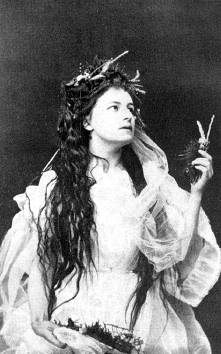

Left: Madame Helena Modjeska Right: Arroyo Toad Source: Wikipedia.