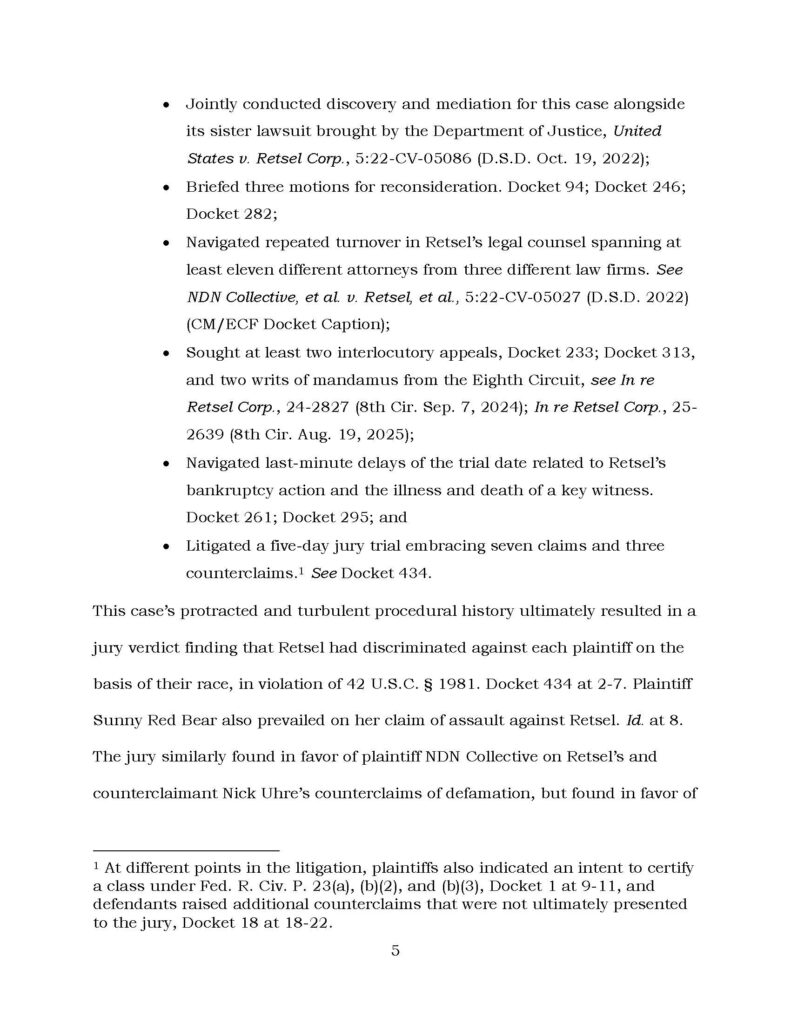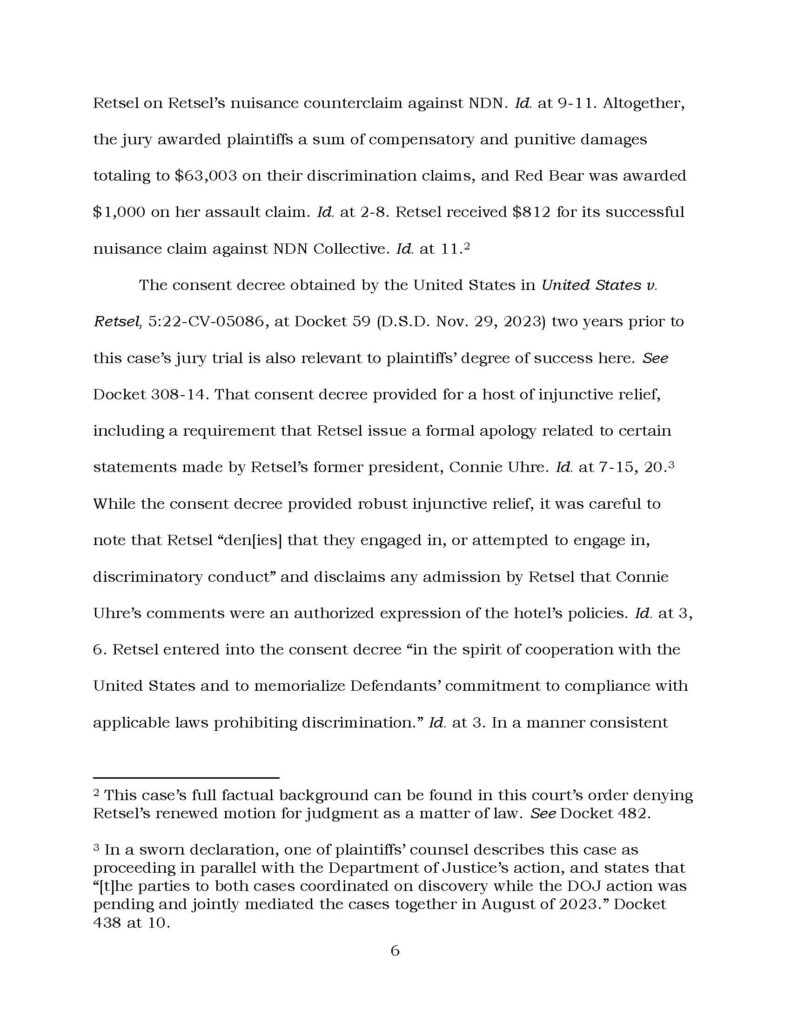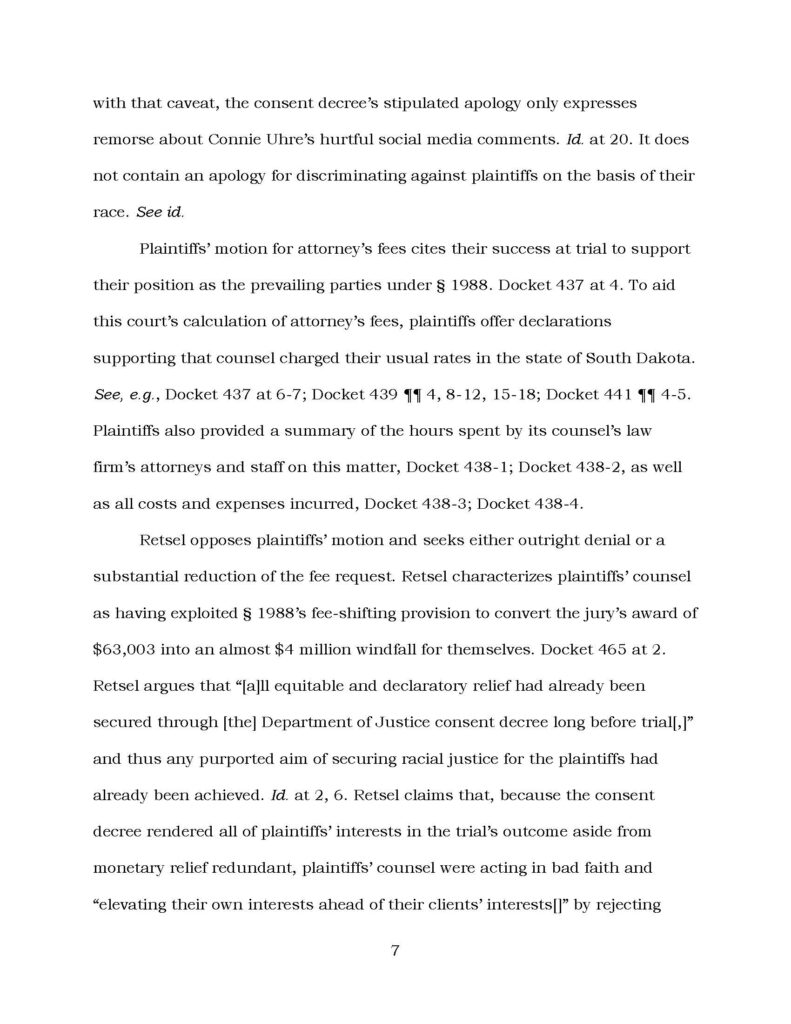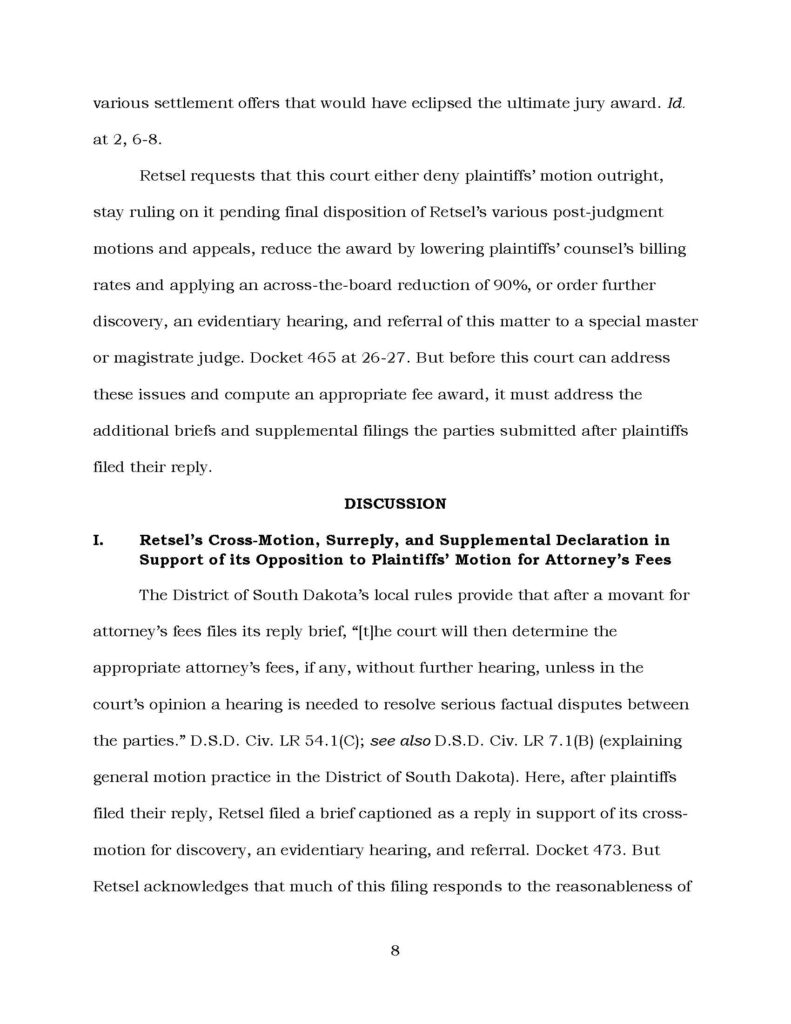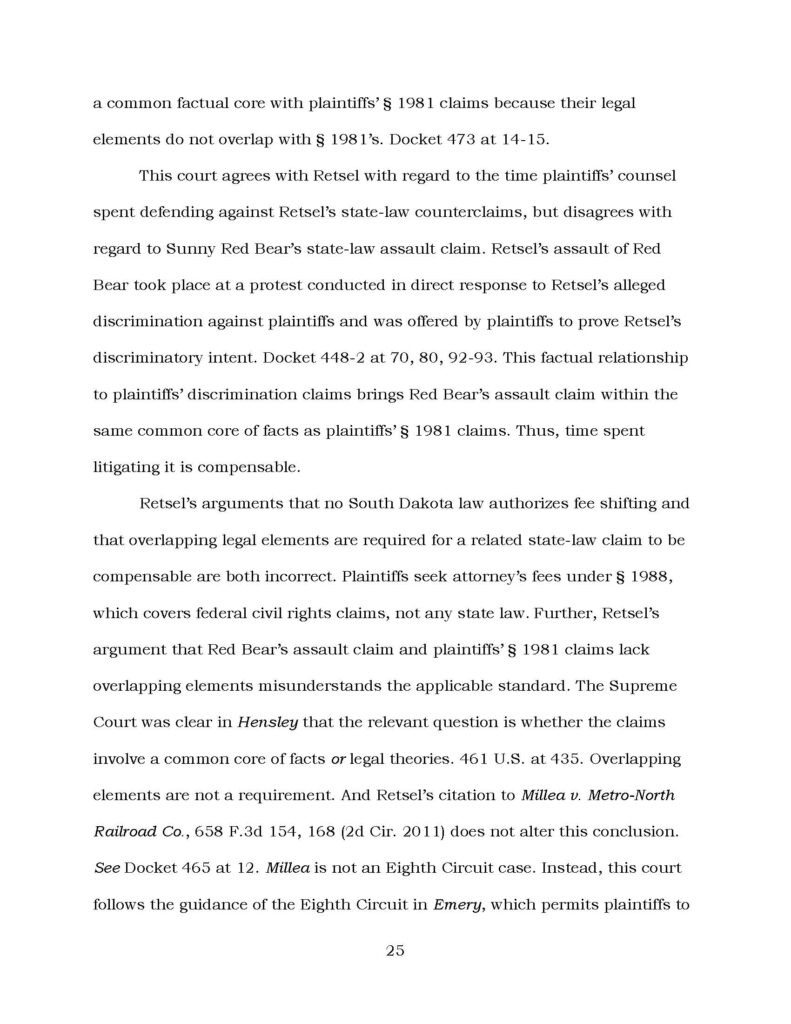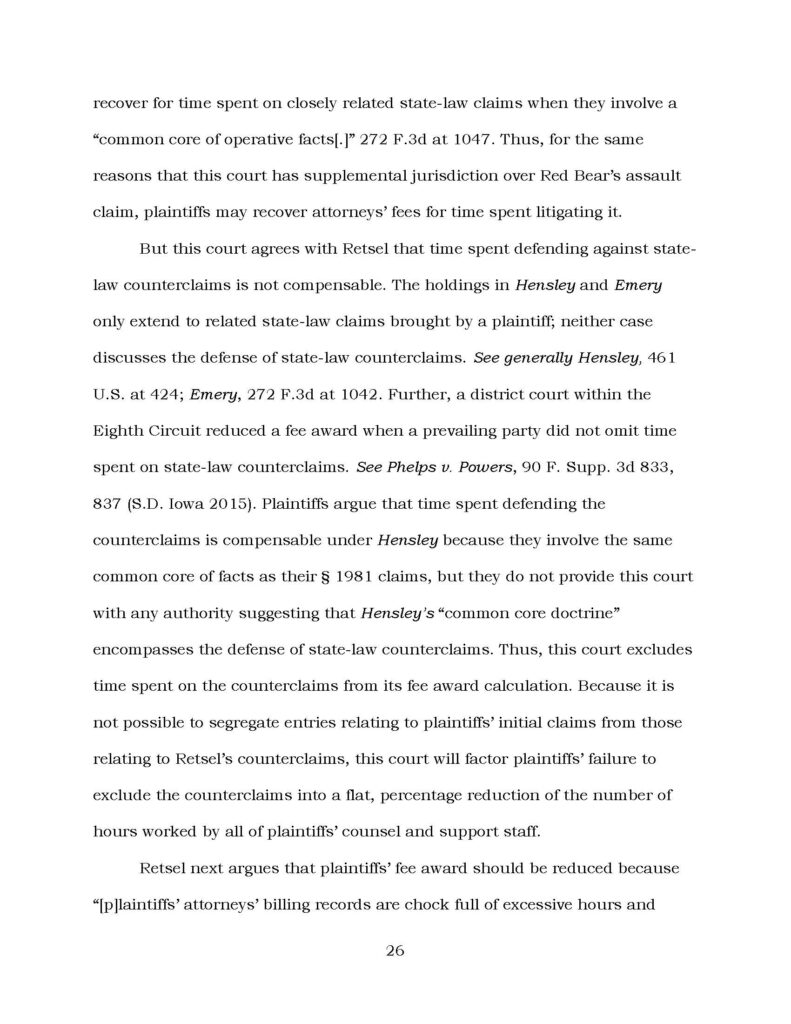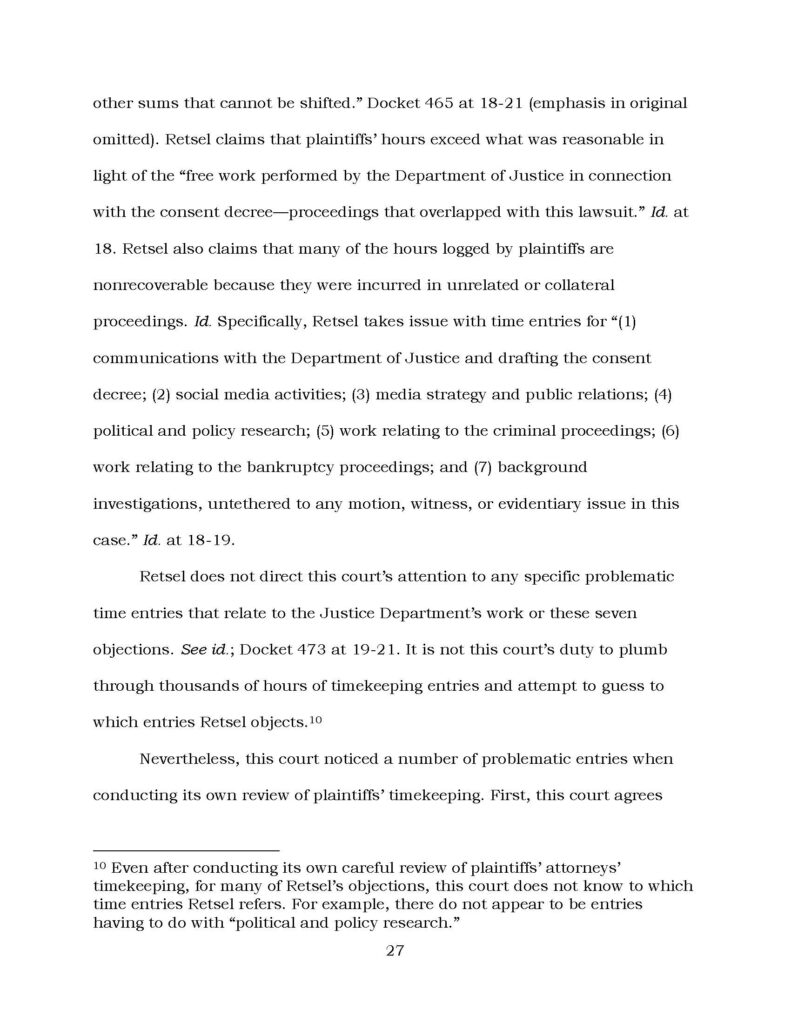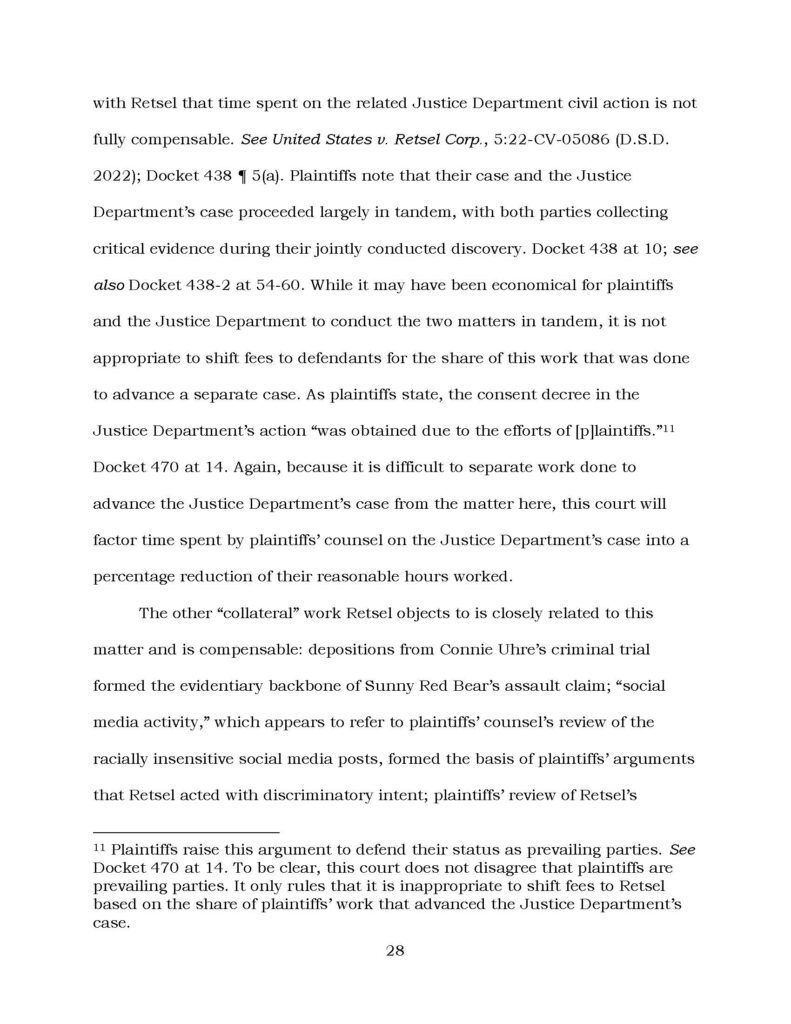
Plaintiffs Prevailed In Protracted, Bitterly-Fought Litigation Where The Jury Verdict Was Only Around $64,000 In Total.
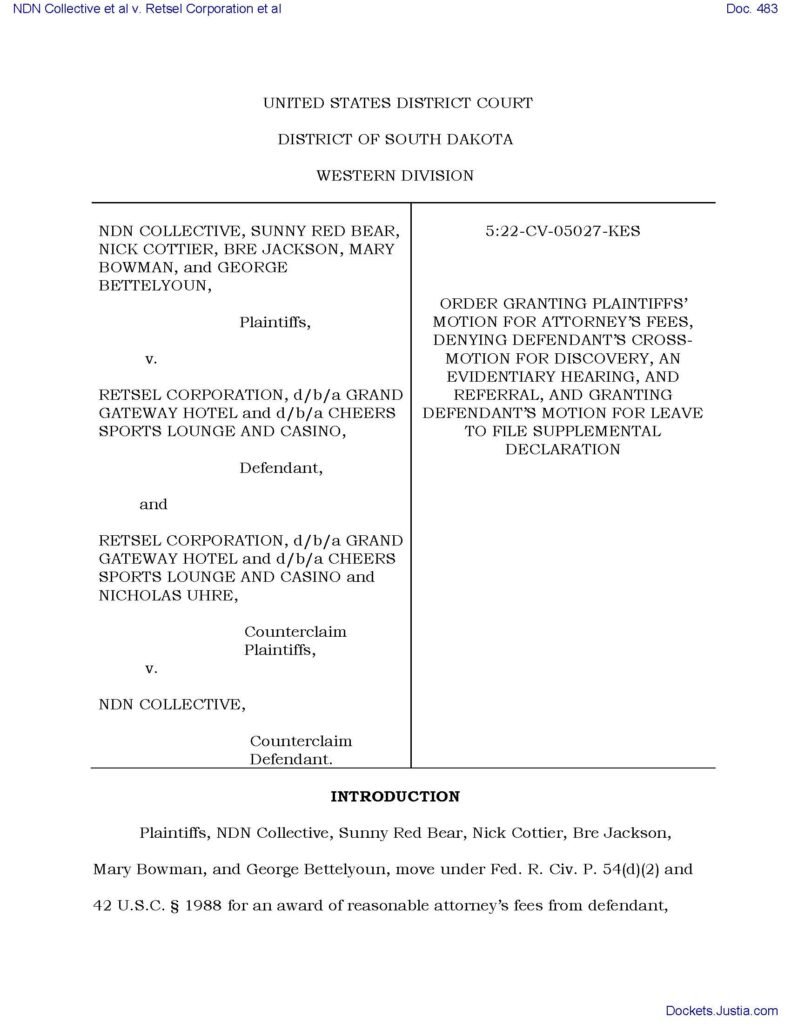
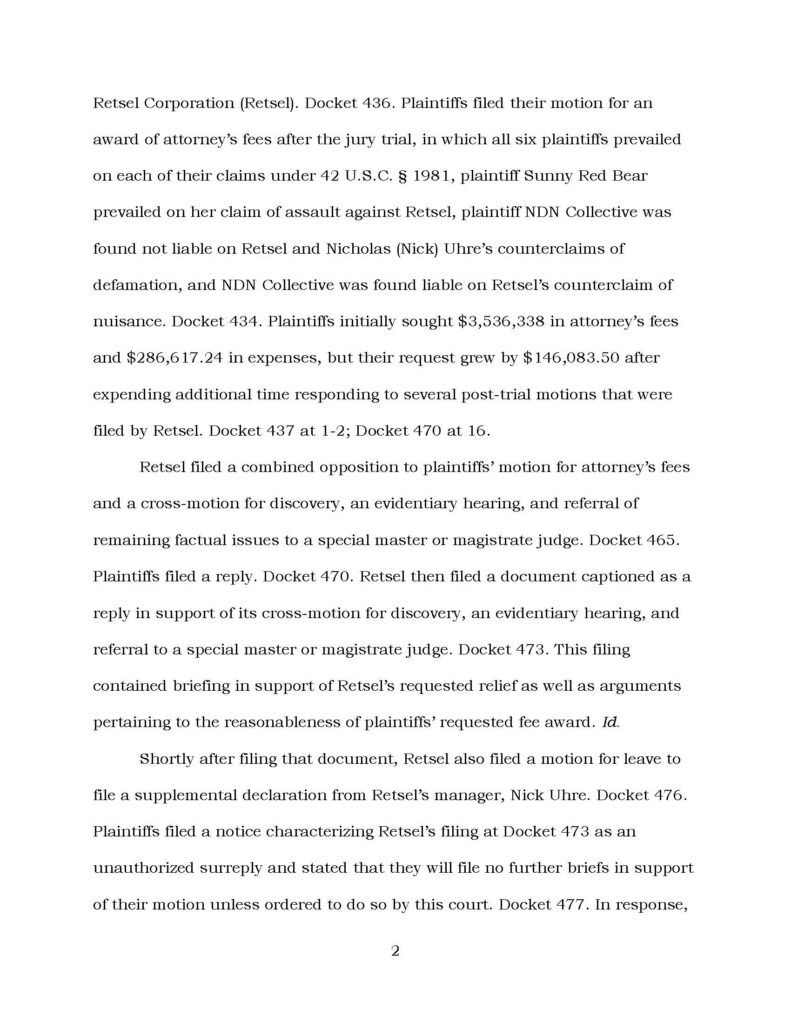
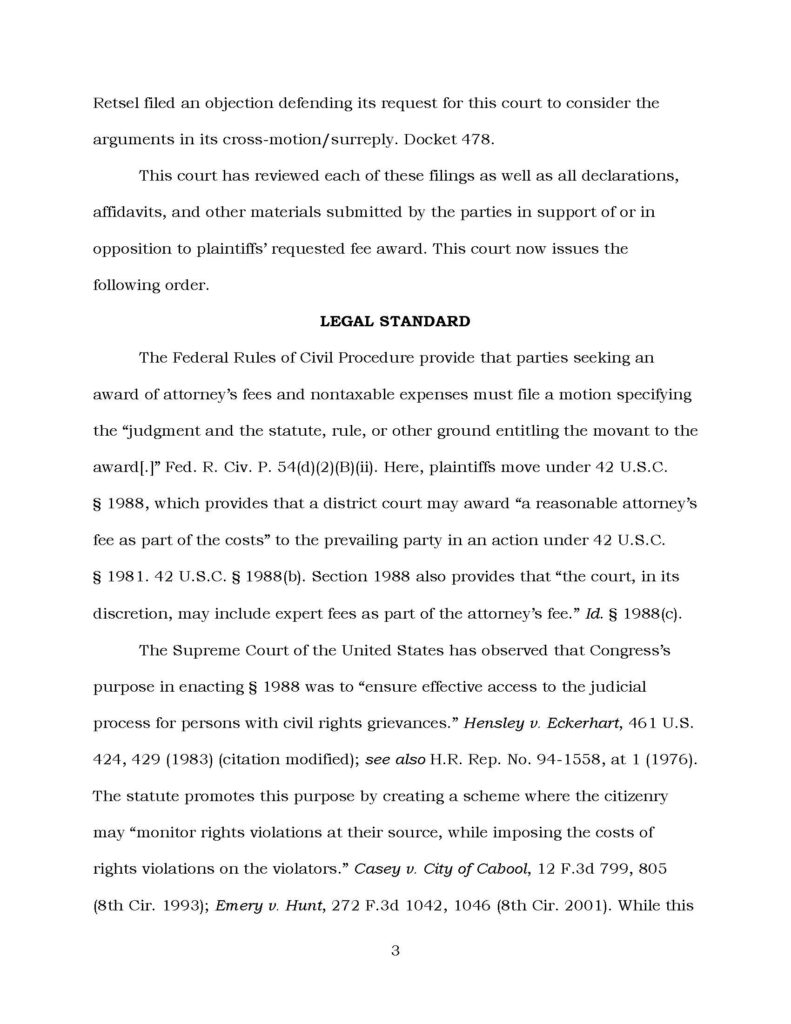
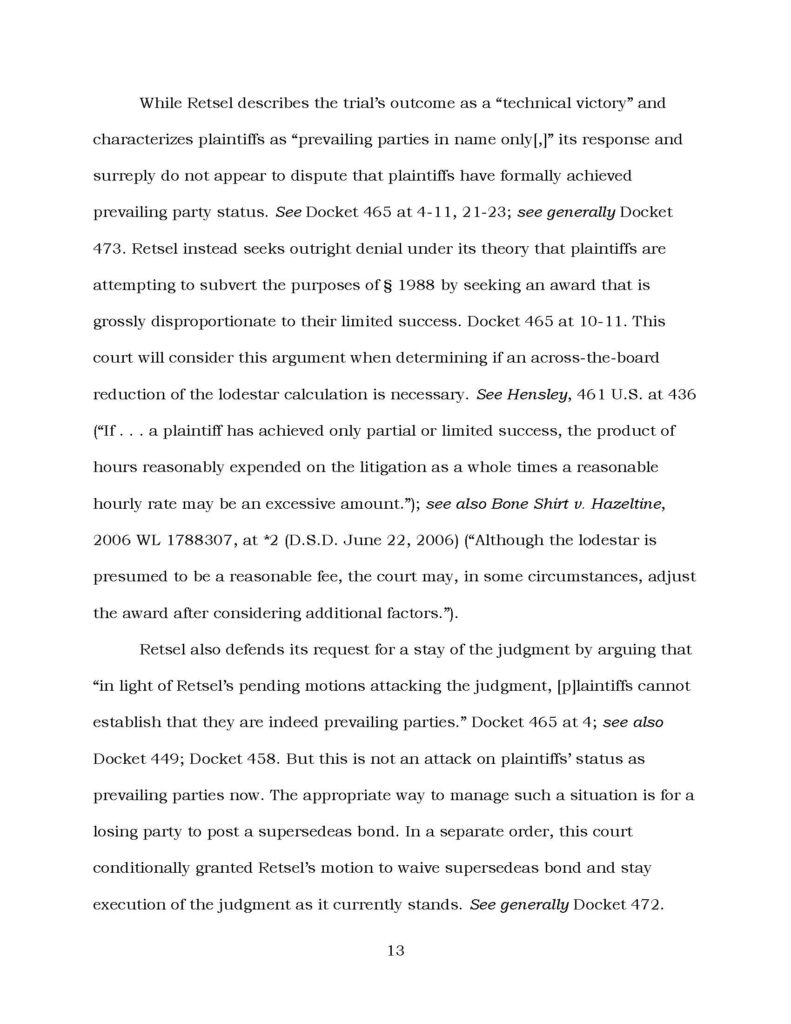
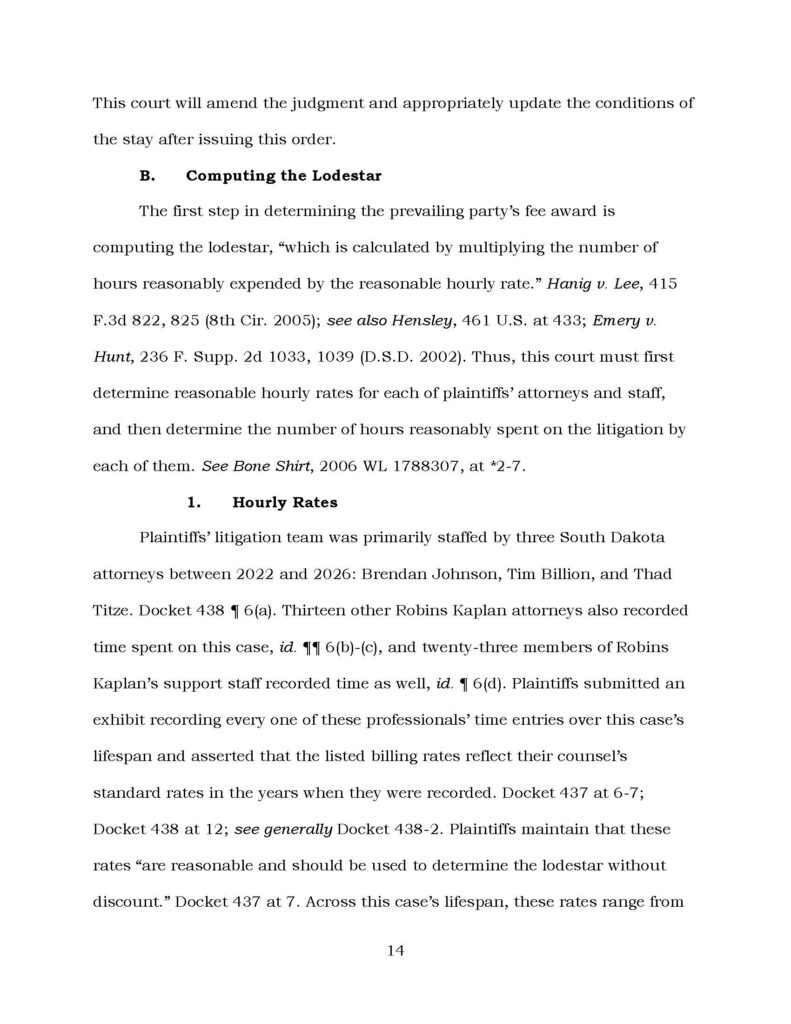
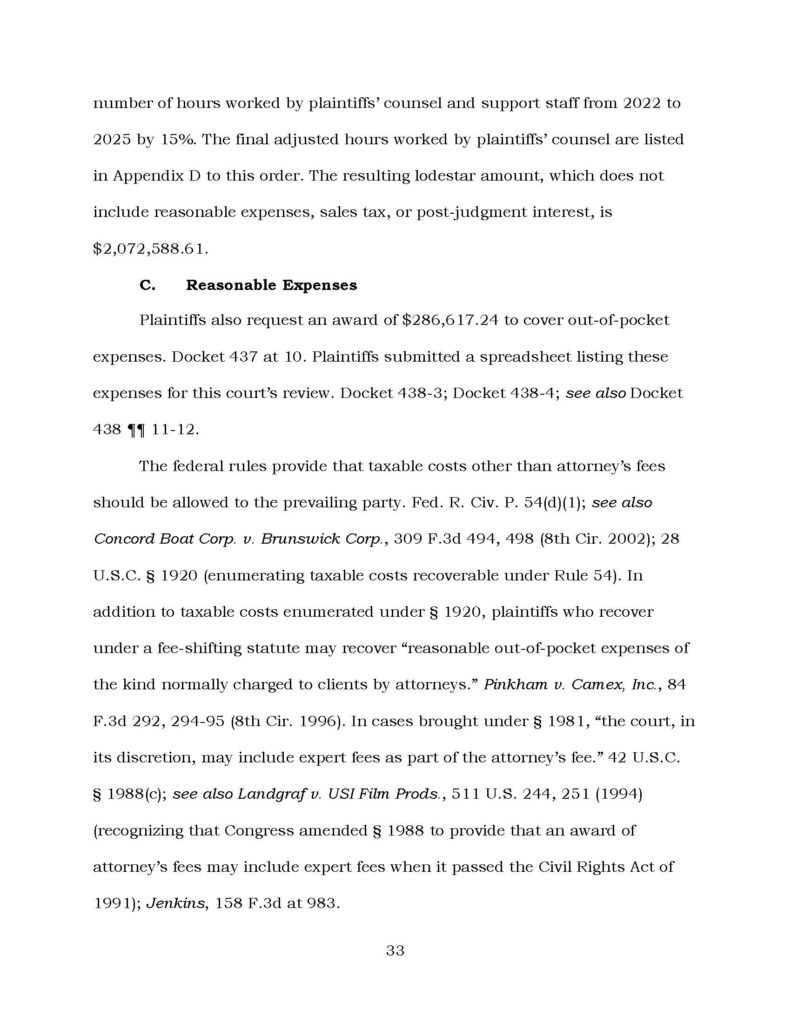
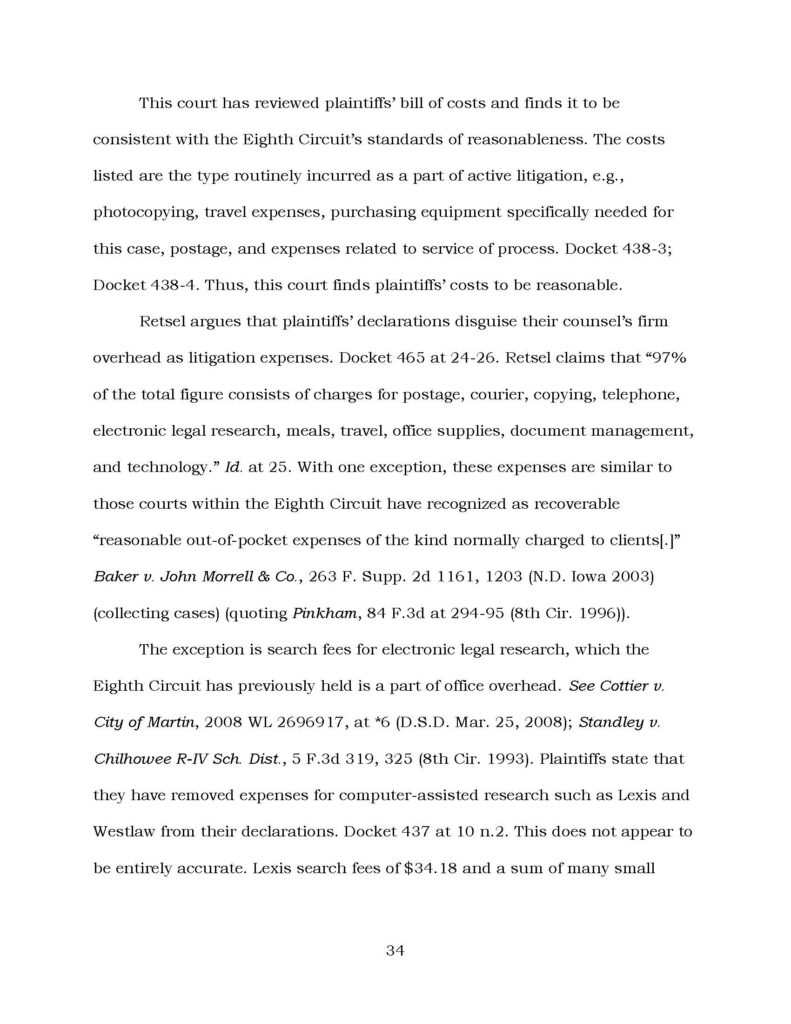
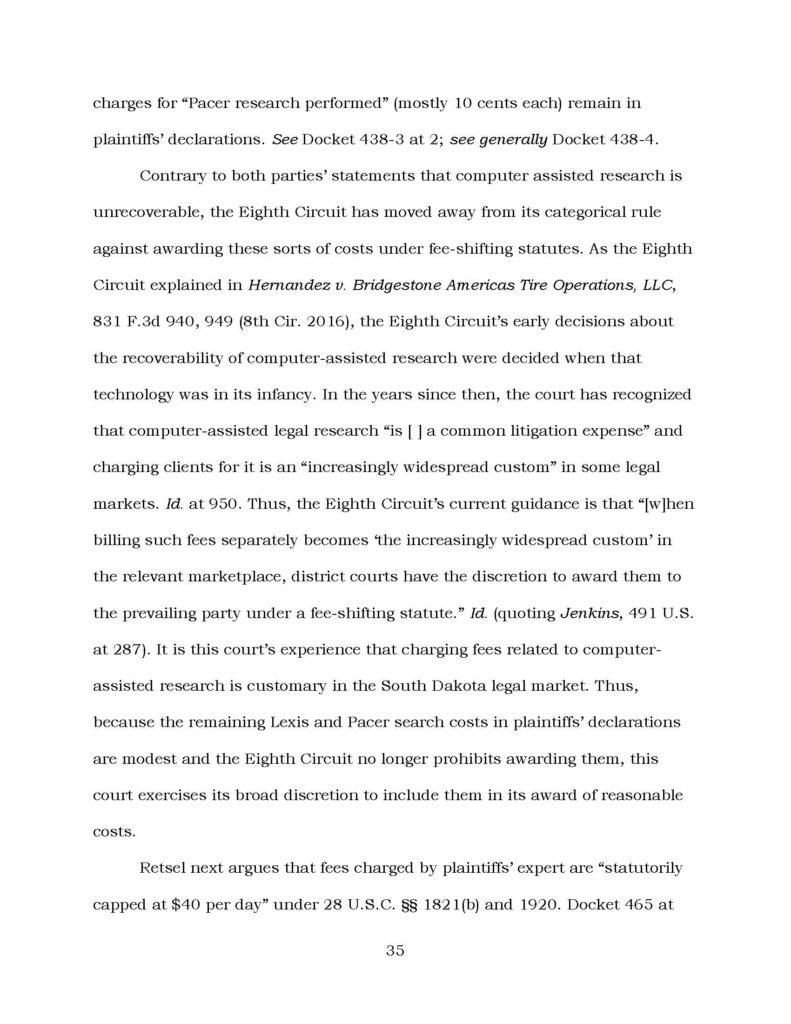
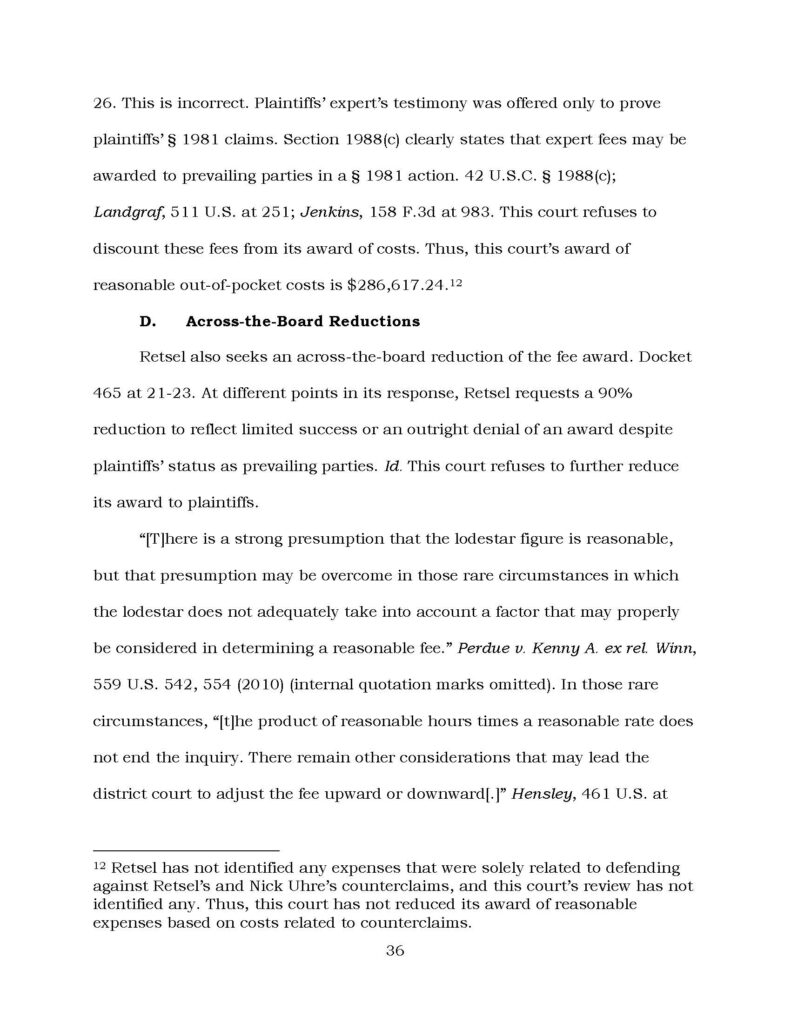
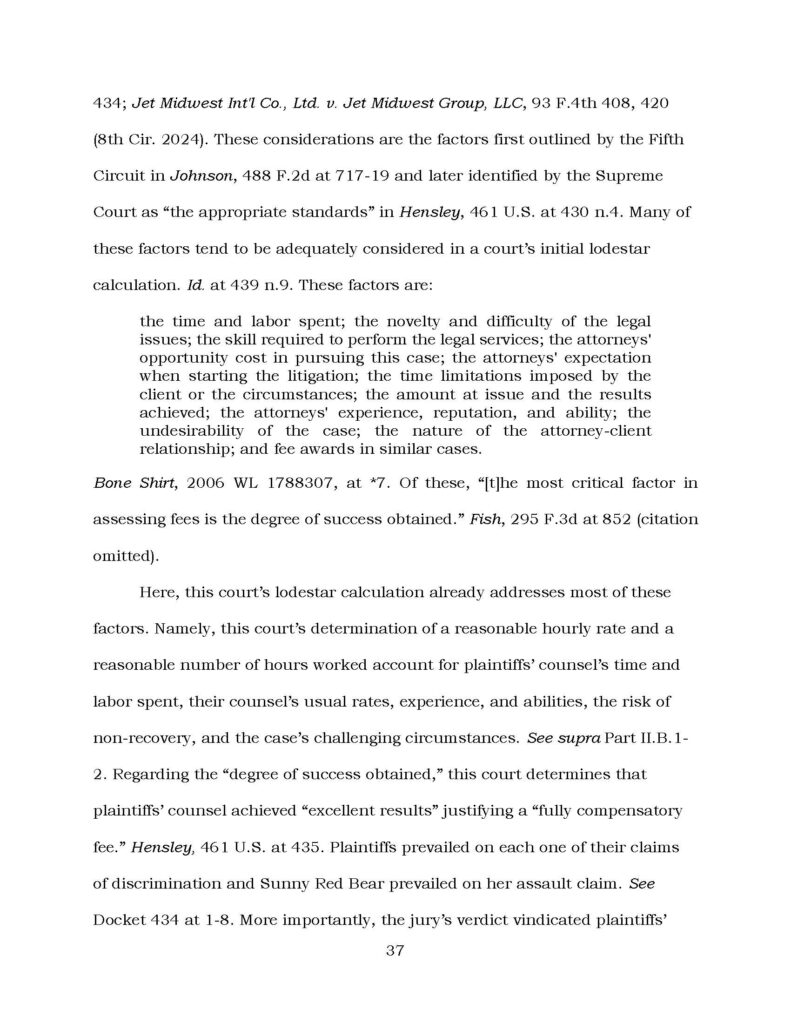
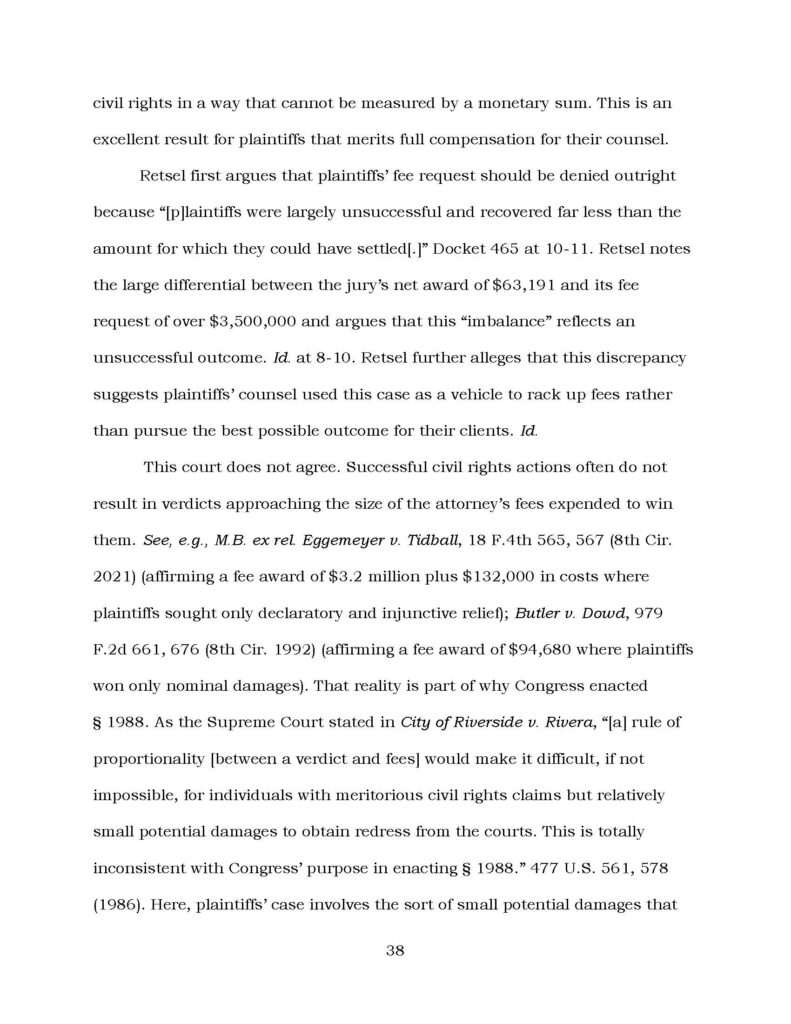
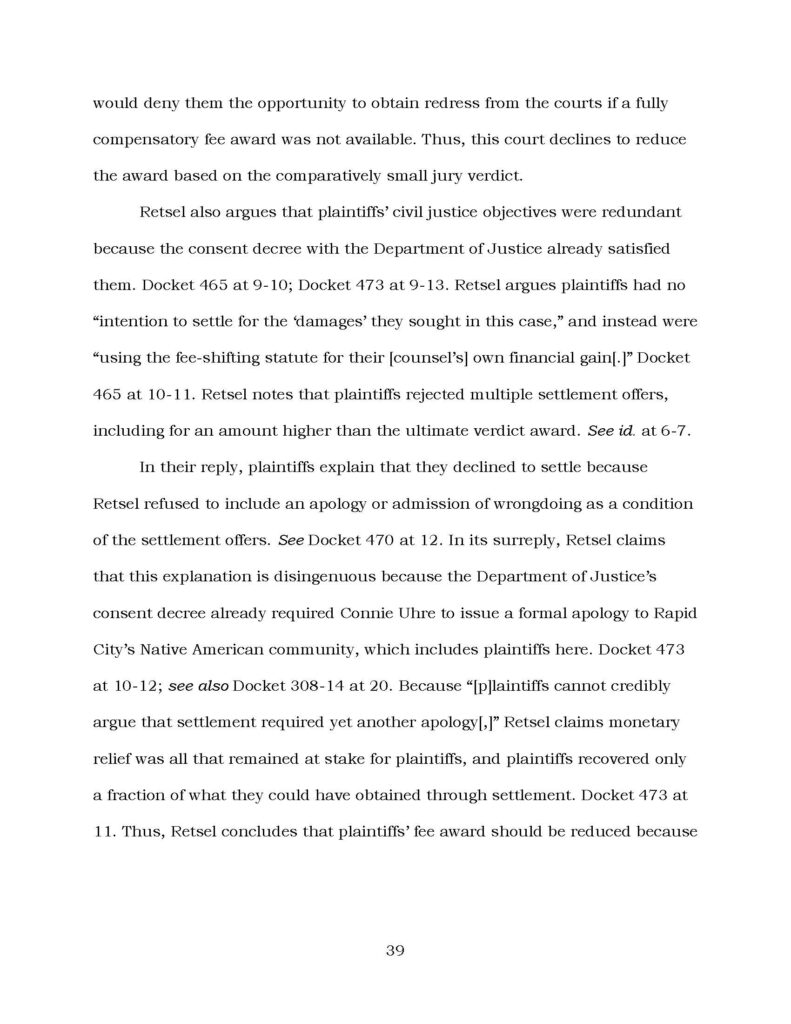
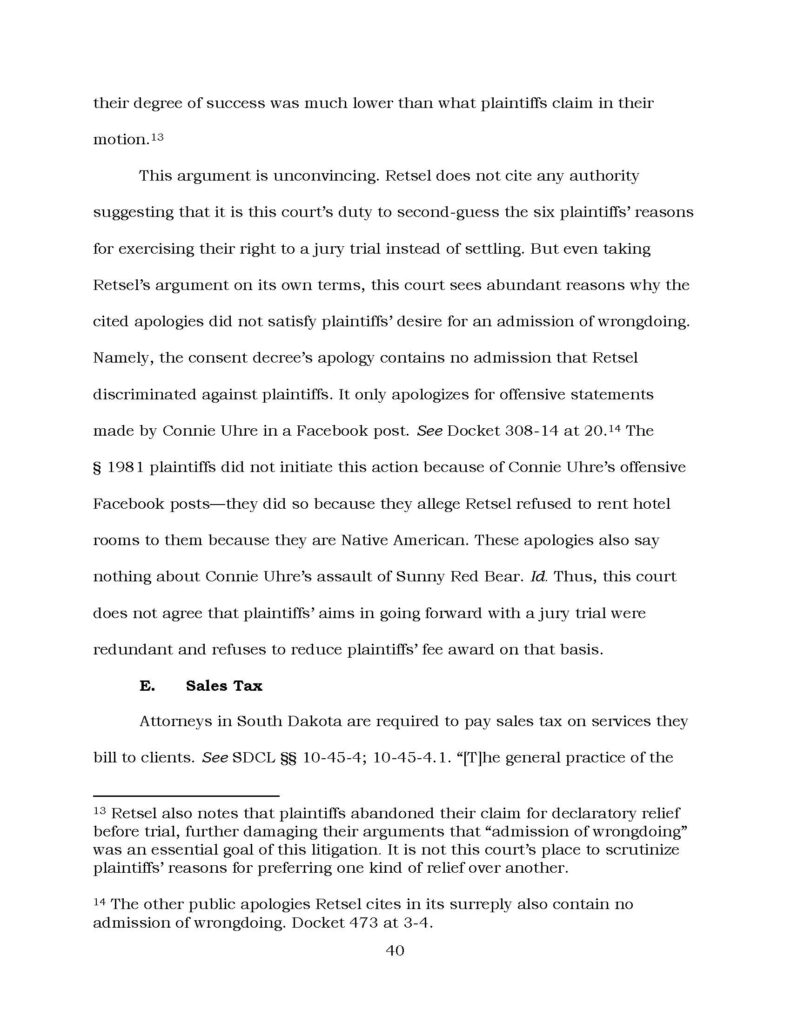
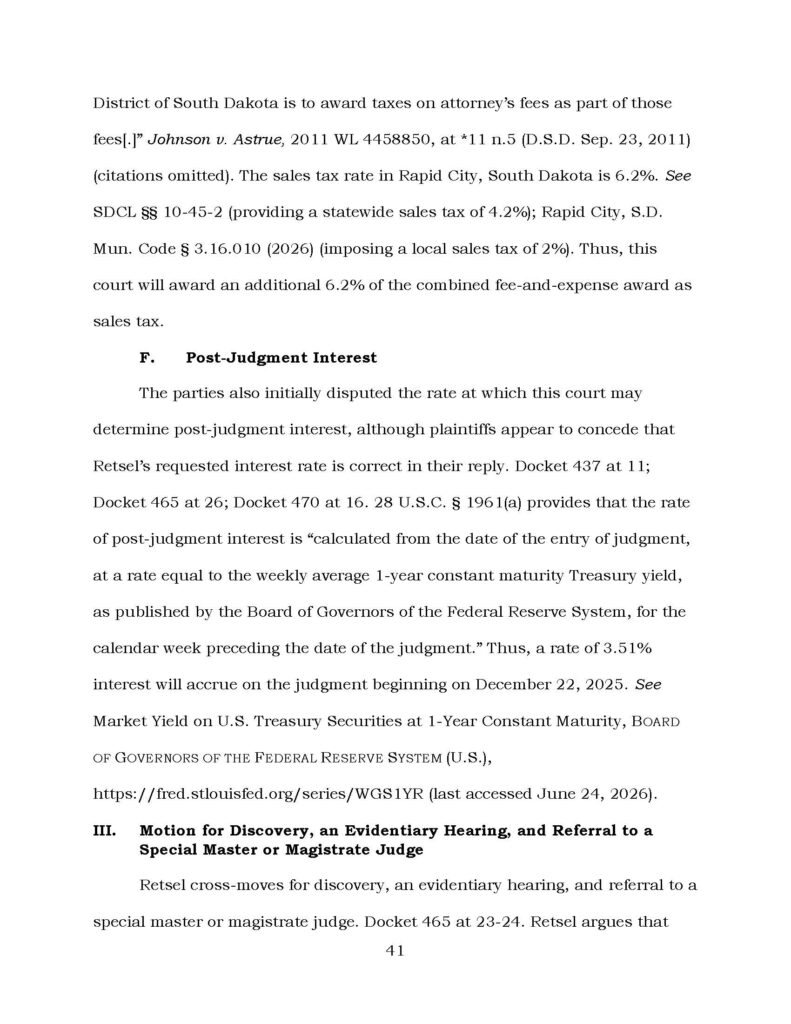
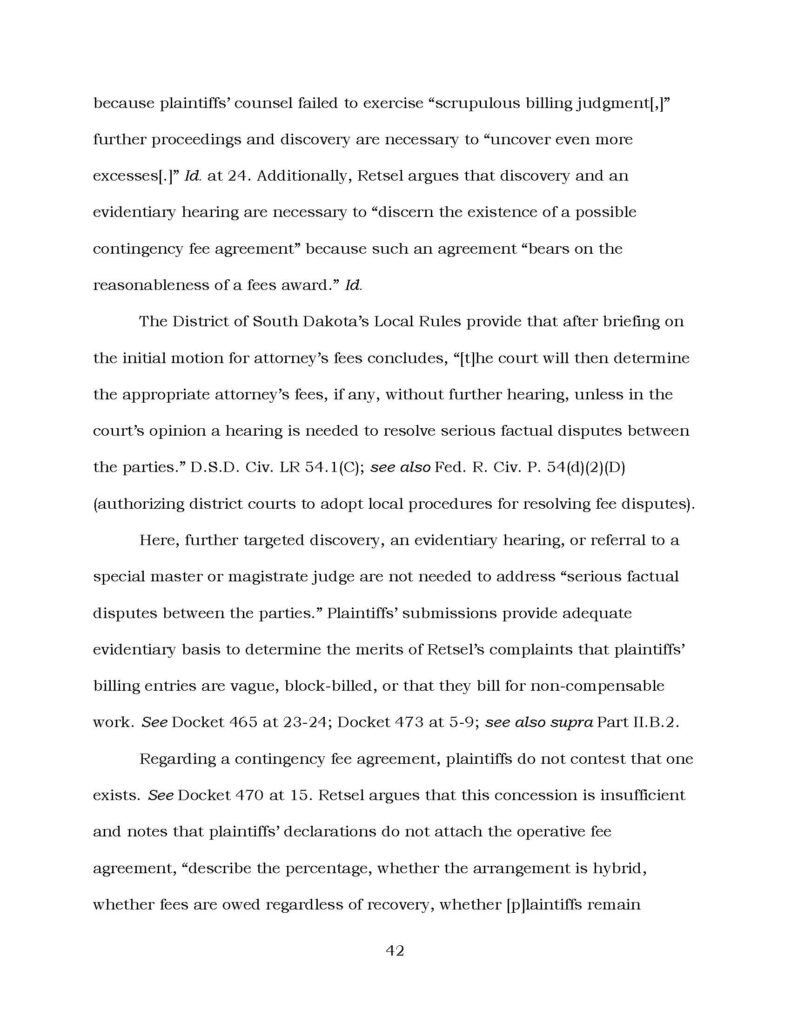
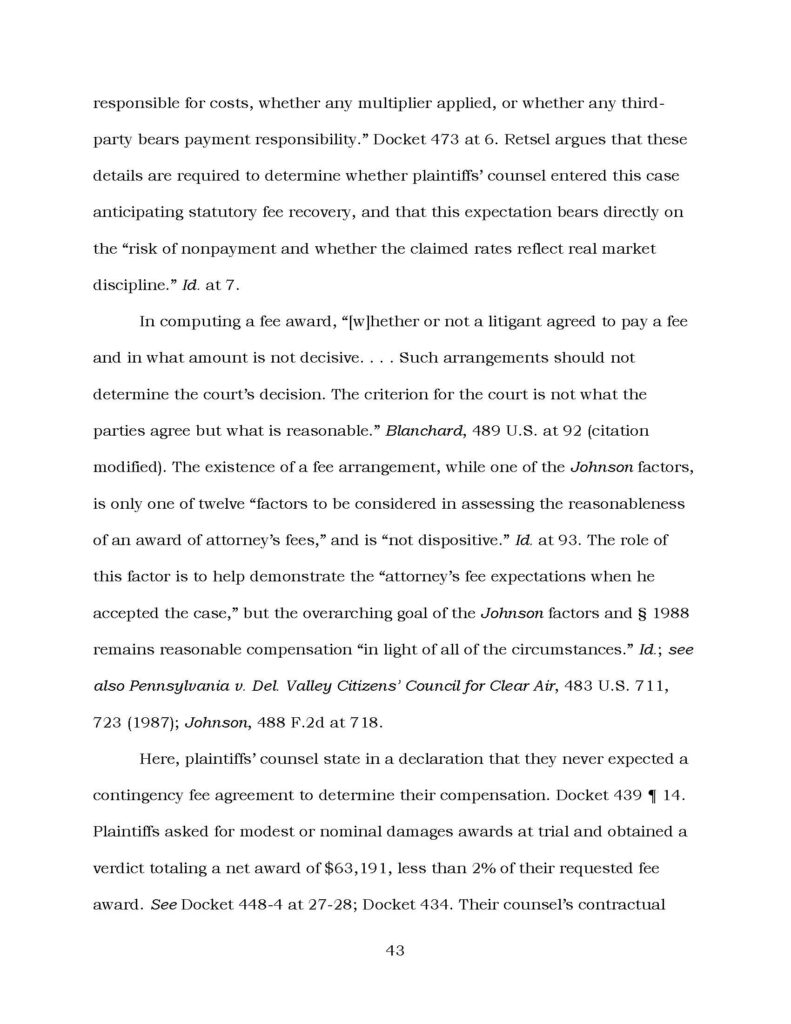
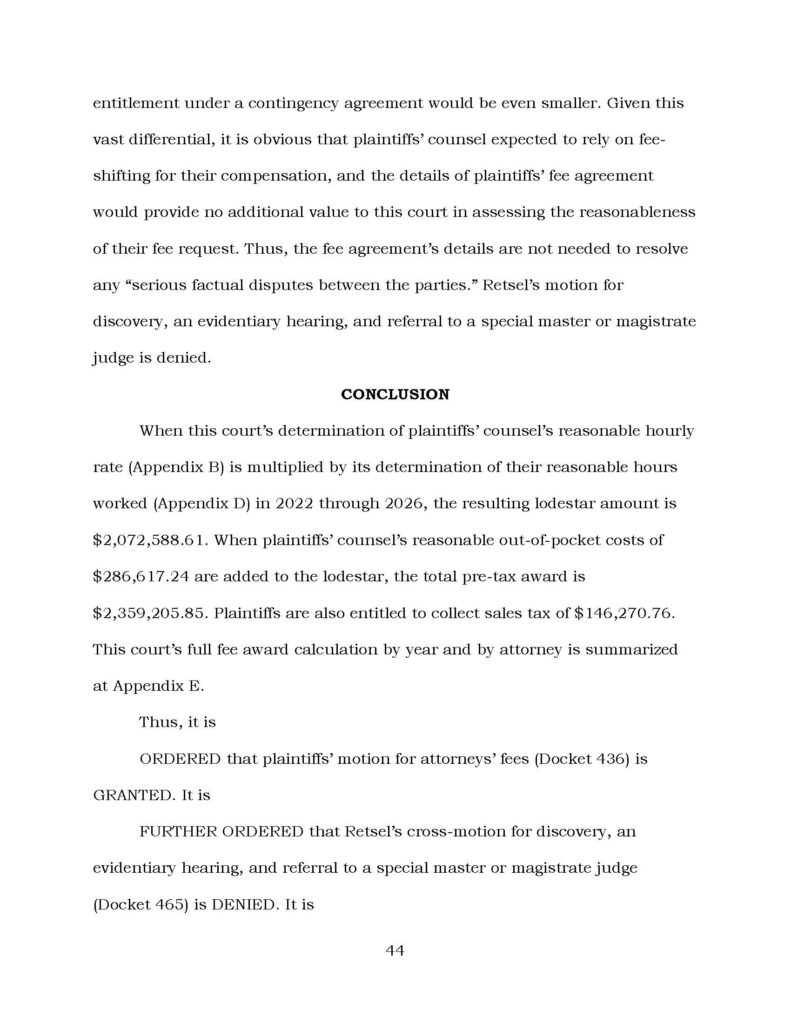
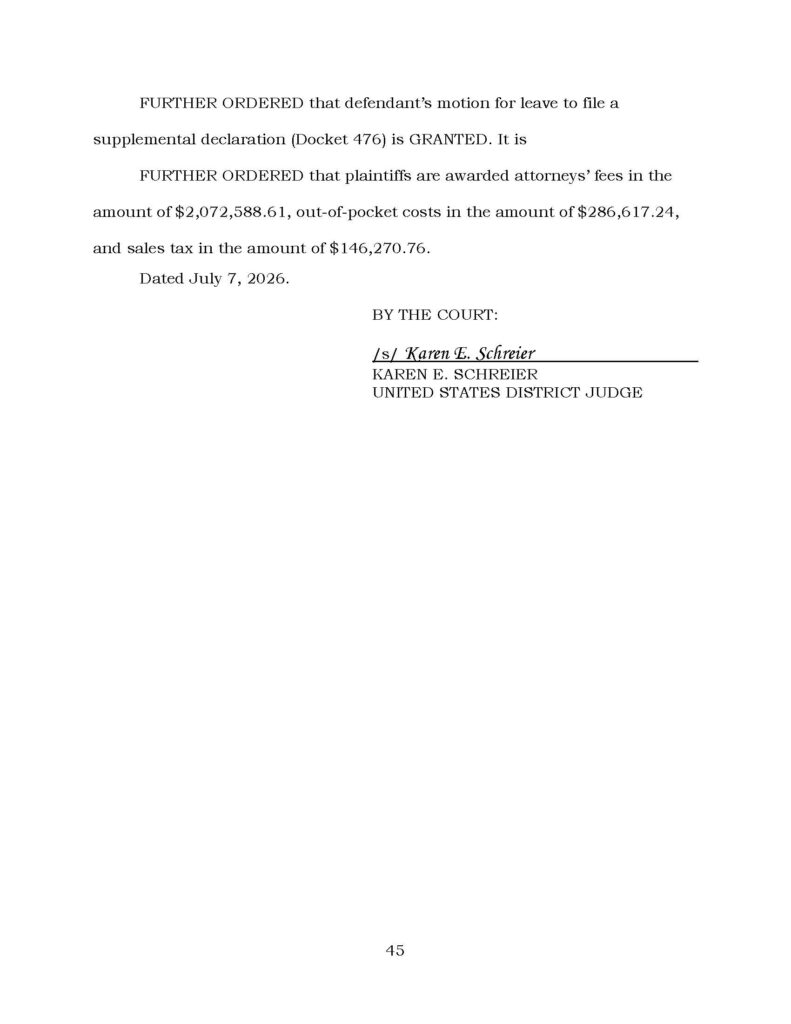
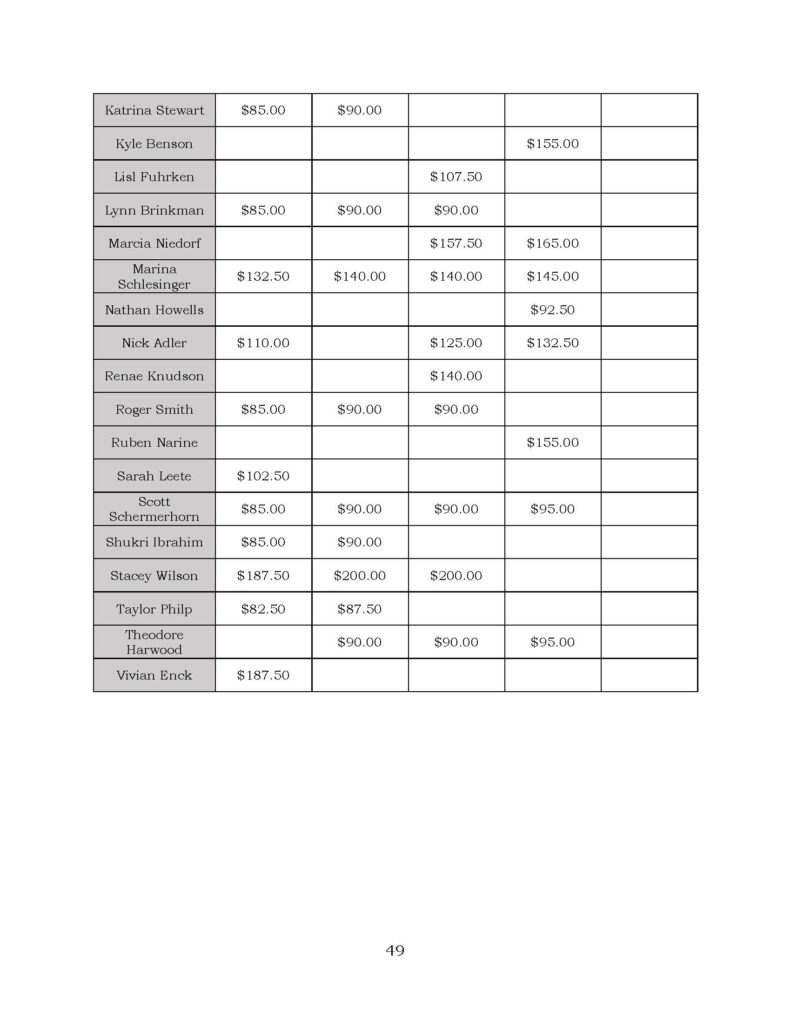
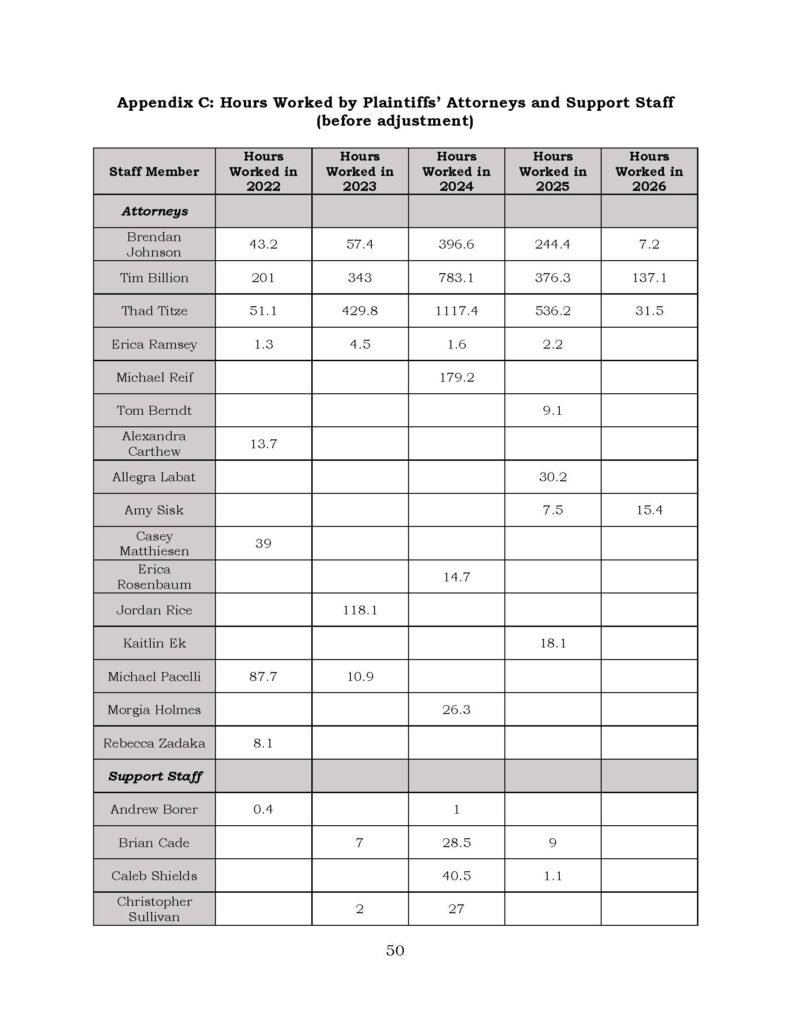
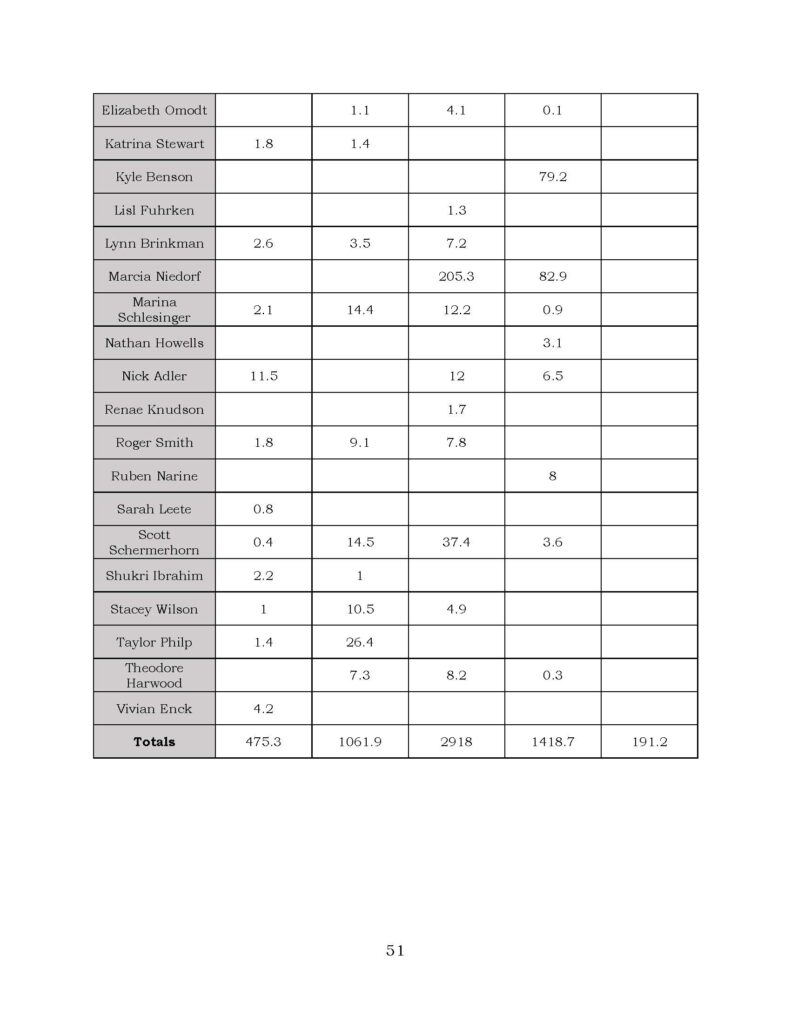
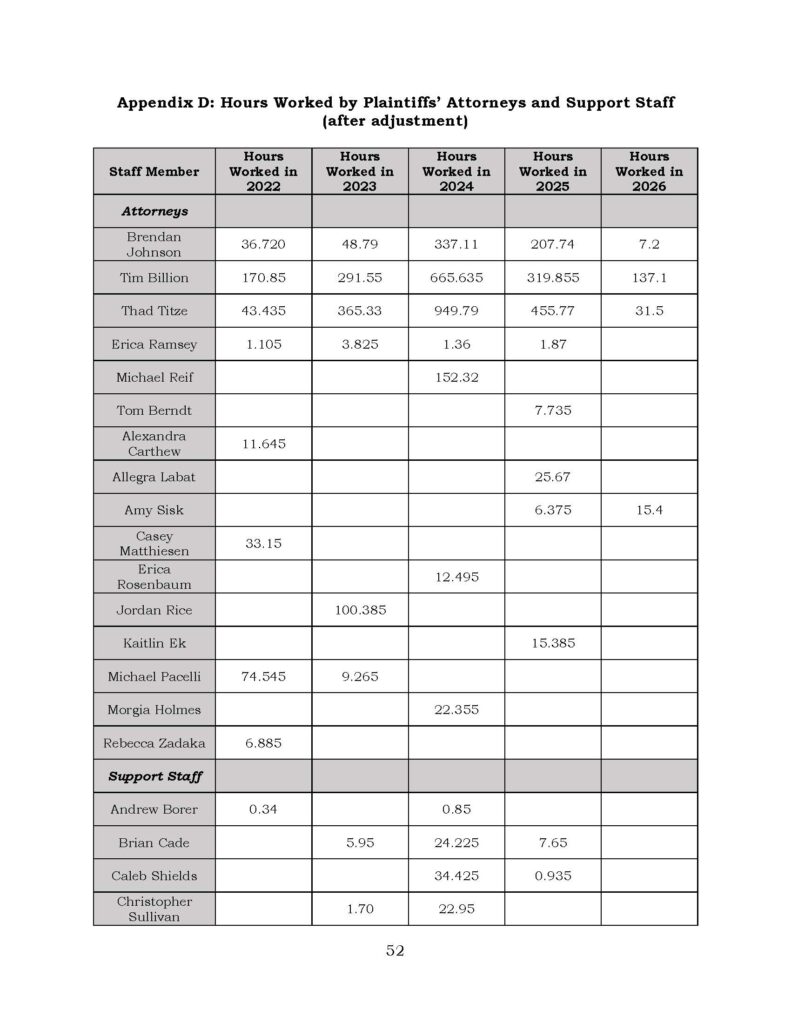
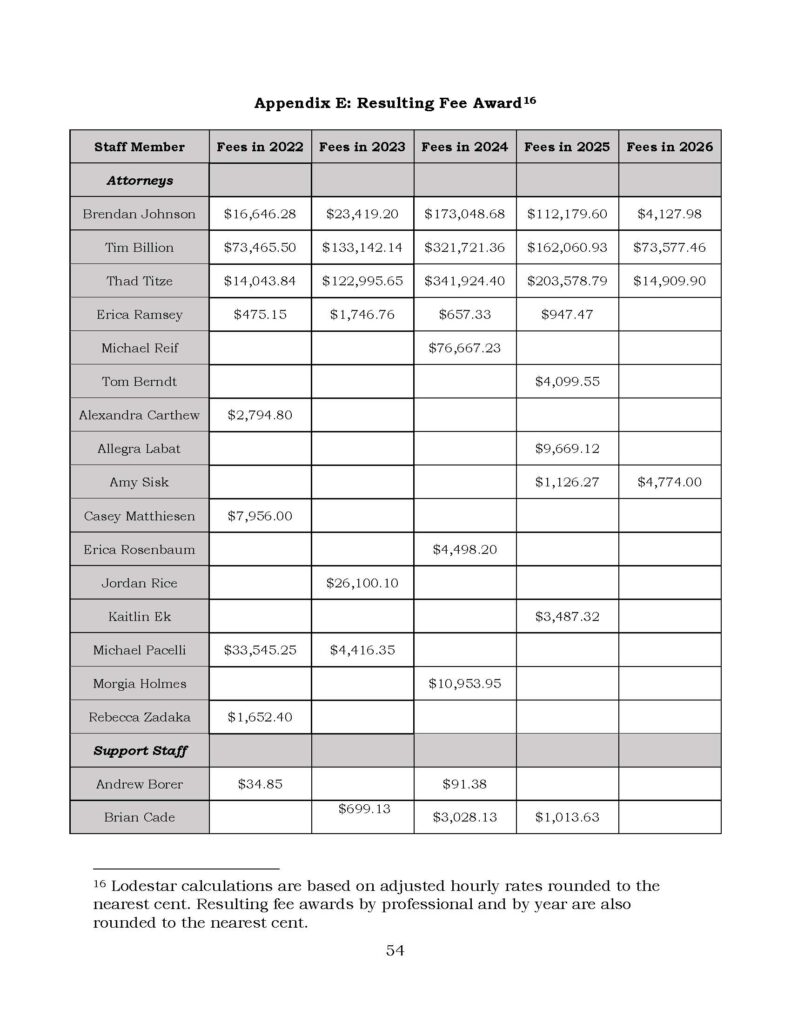
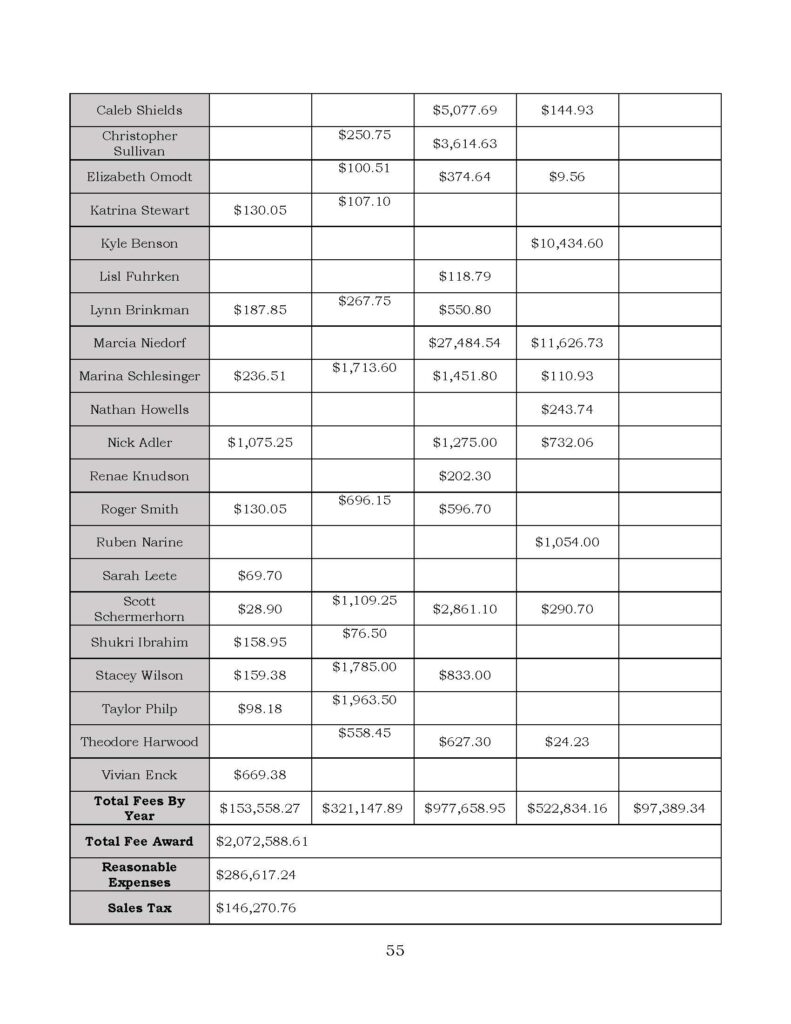
Although we usually post on California fees cases, the fee award in the federal civil rights case of NTN Collective v. Retsel Corporation d/b/a Grand Gateway Hotel, No. 5:22-cv-05027-KES (D.S.D. July 7, 2026 fee award; Doc. No. 485) caught our attention because it awarded prevailing plaintiffs in a tribal race discrimination case, after a jury award of about $64,000, almost $2.5 million in fees under 42 U.S.C. § 1988 (the federal civil rights statute, containing a liberal fee-shifting provision). The award broke down this way: (1) $2,072,588.61 in fees after some reductions; (2) $286,617.24 in out-of-pocket expenses after one reduction; and (3) $146,270.76 in sales tax imposed on attorney-rendered services. Plaintiffs wanted over $3.722 million in fees, with the defense advocating that no fees should be awarded or there should be a 90% reduction of the request.
Here are the major takeaways from the opinion by District Judge Karen E. Schreier:
- Civil rights fee awards are to be compensatory, such that there is no requirement that the fee award be proportionate to a much smaller jury verdict. Plaintiffs prevailed.
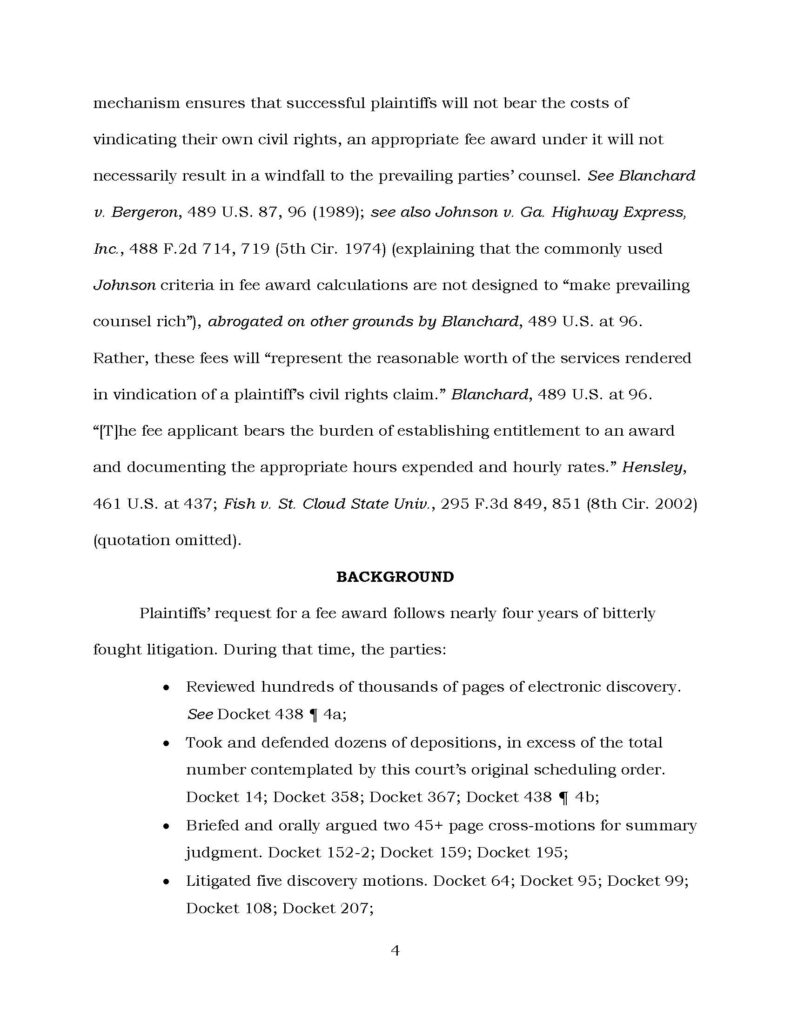
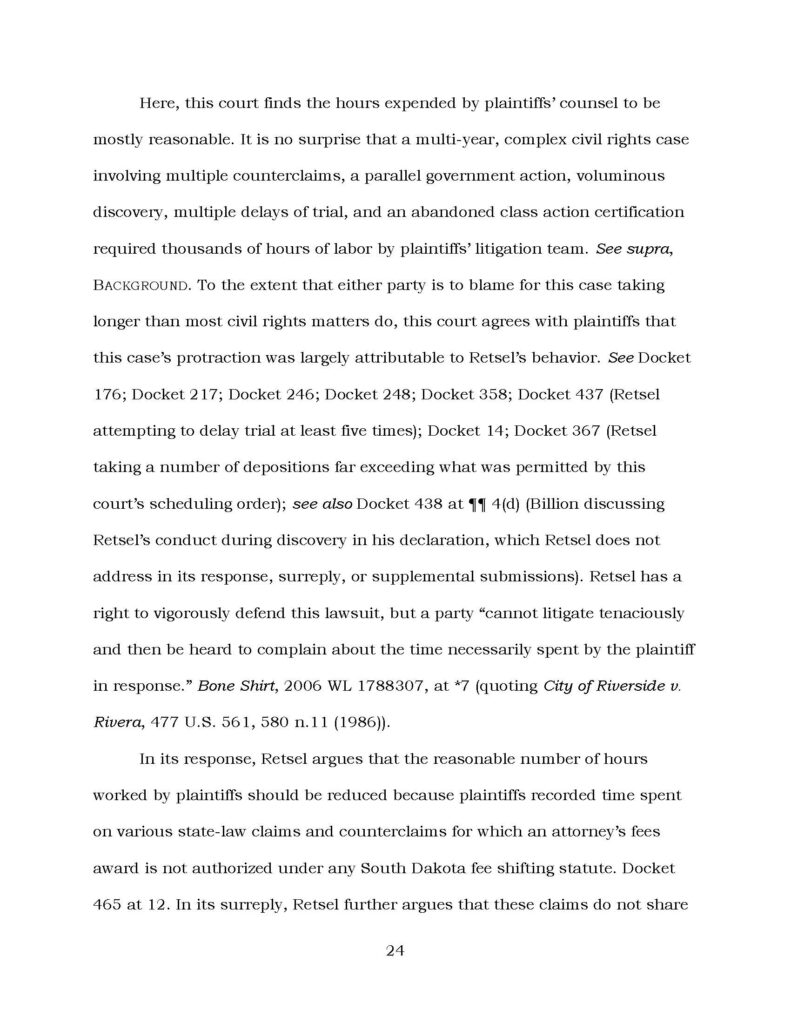
- The defense bitterly contested the case, with there being substantial discovery work, cross-summary judgment motions, plaintiffs having to work with numerous defense counsel replaced along the way, and with plaintiffs winning a five-day jury trial.
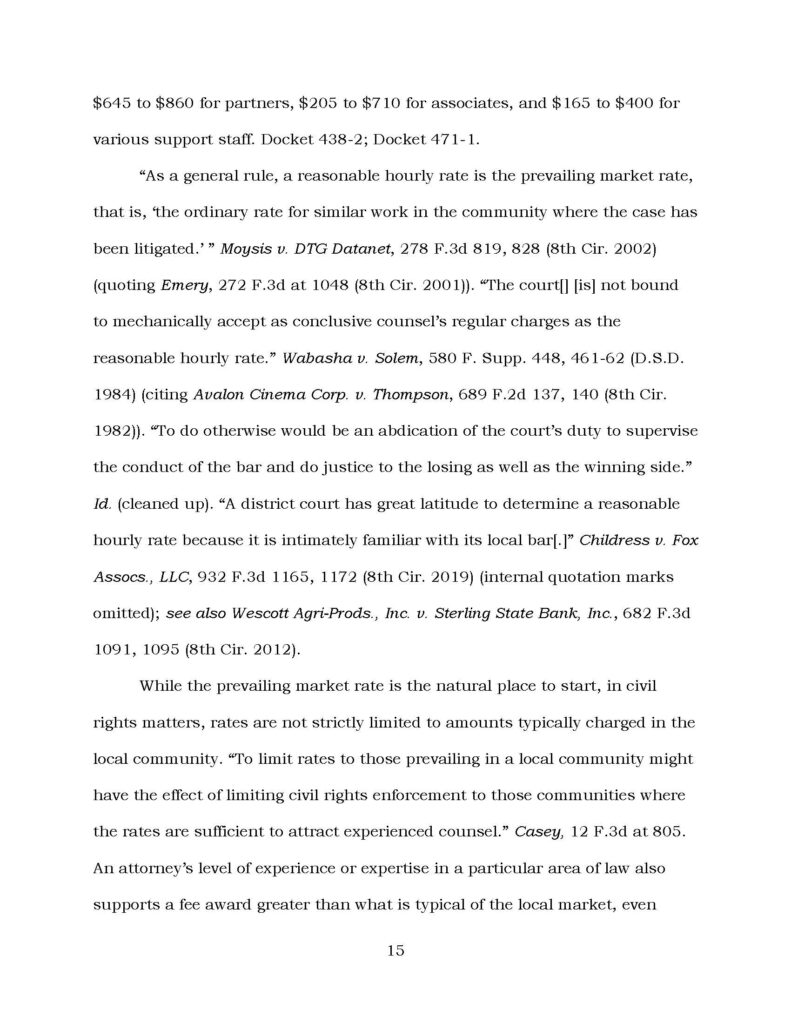
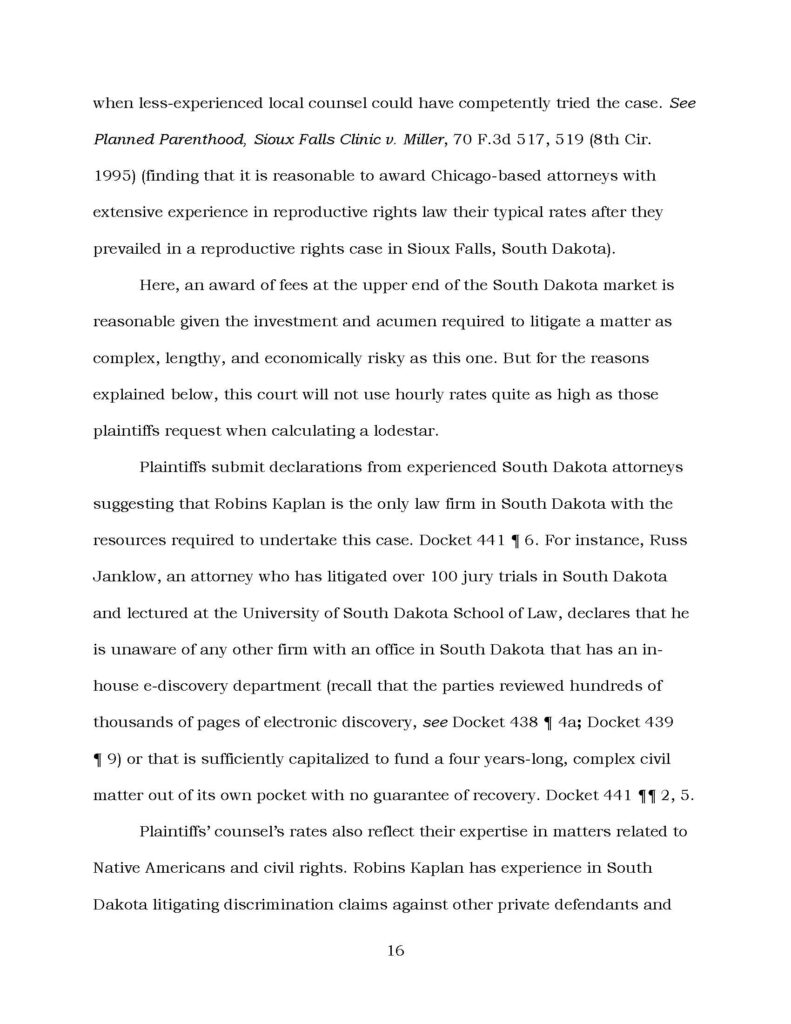
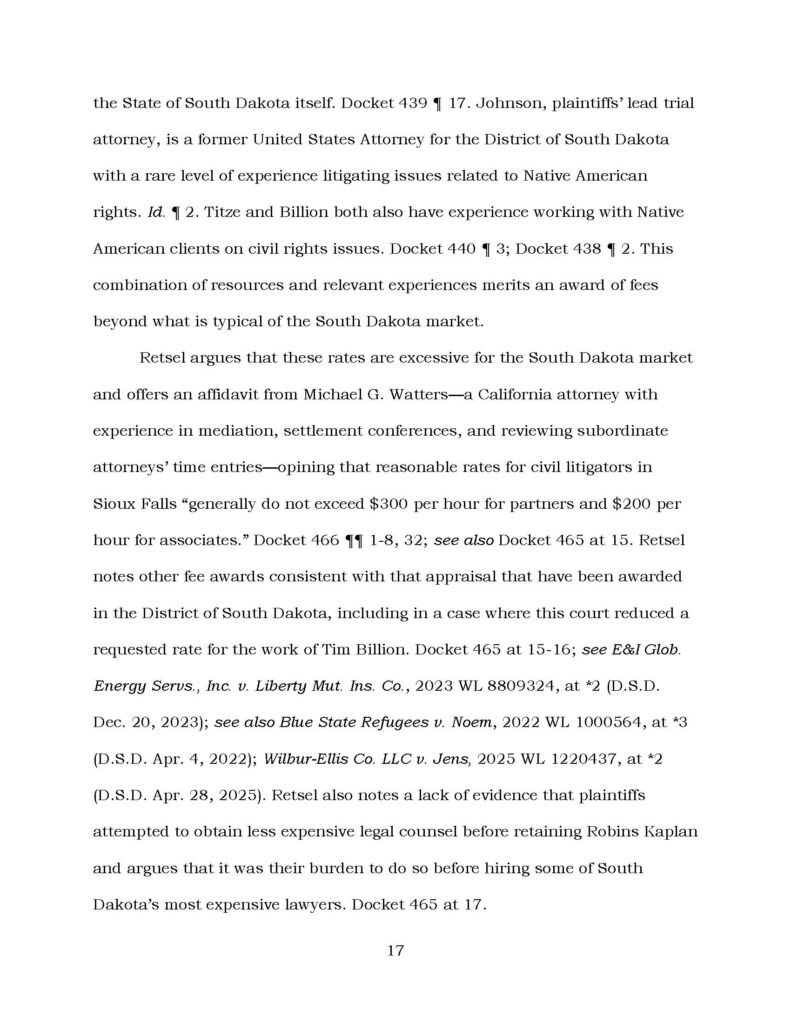
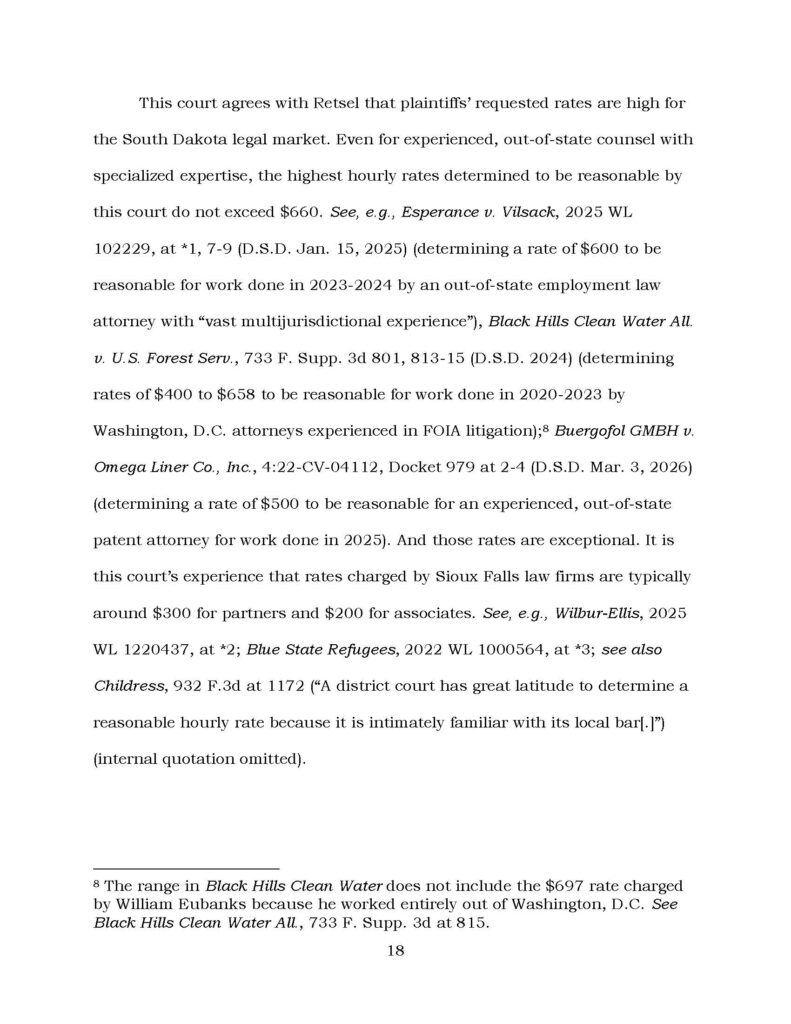
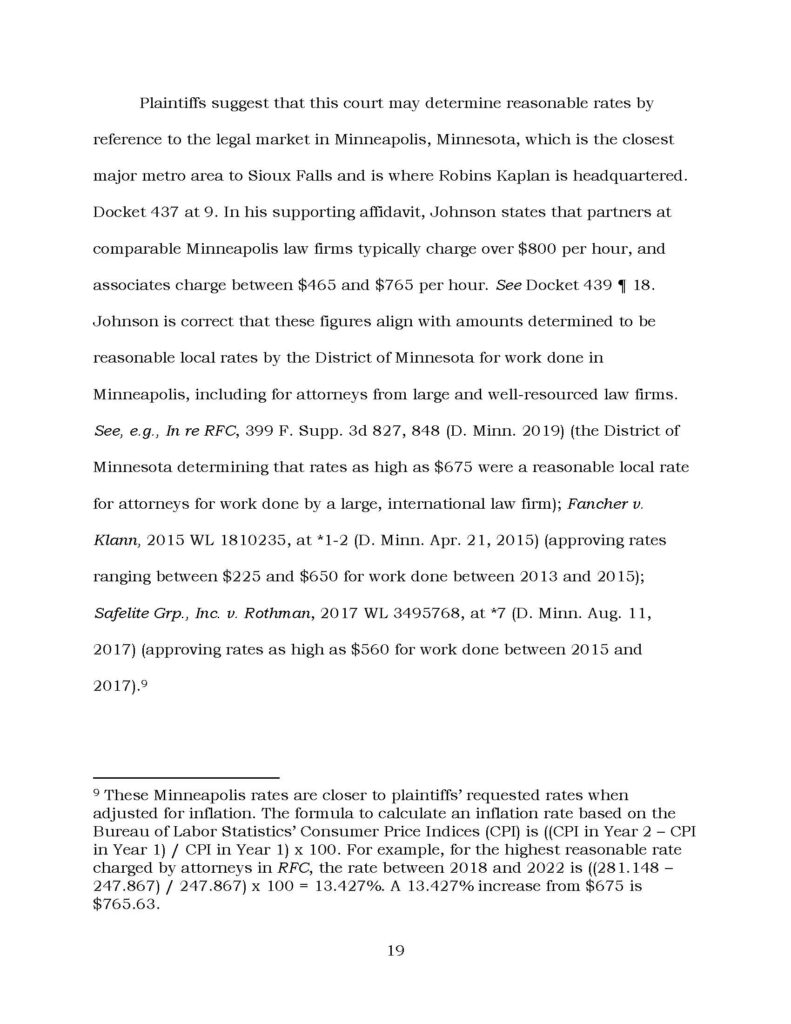
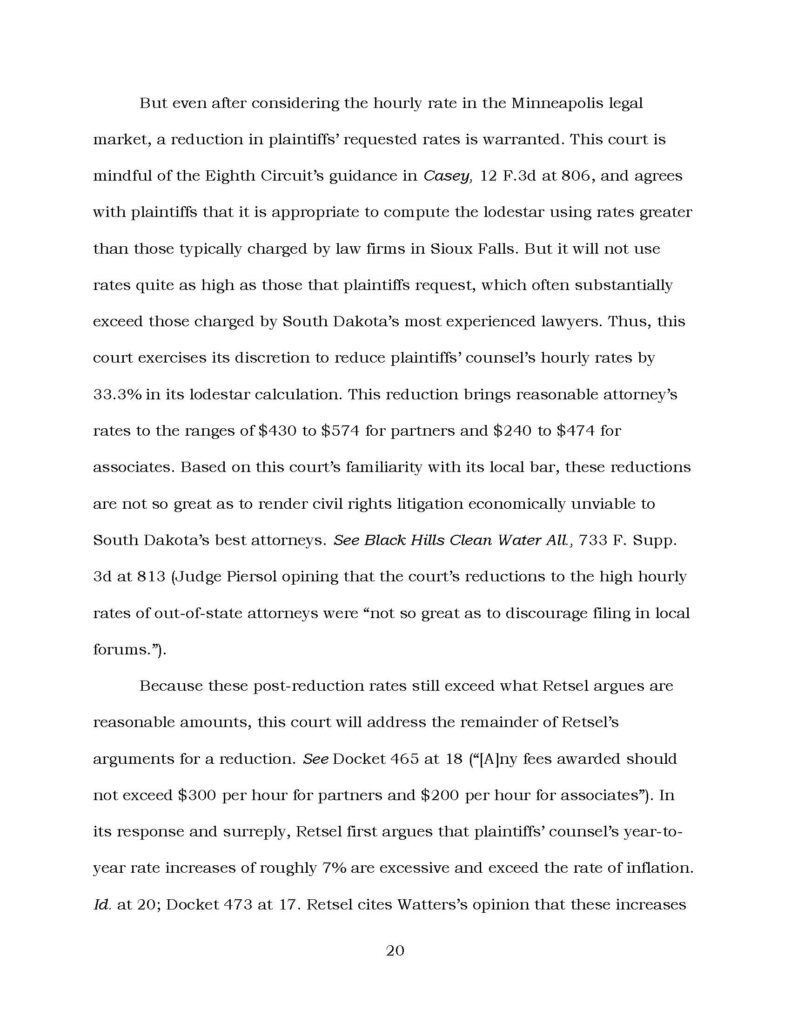
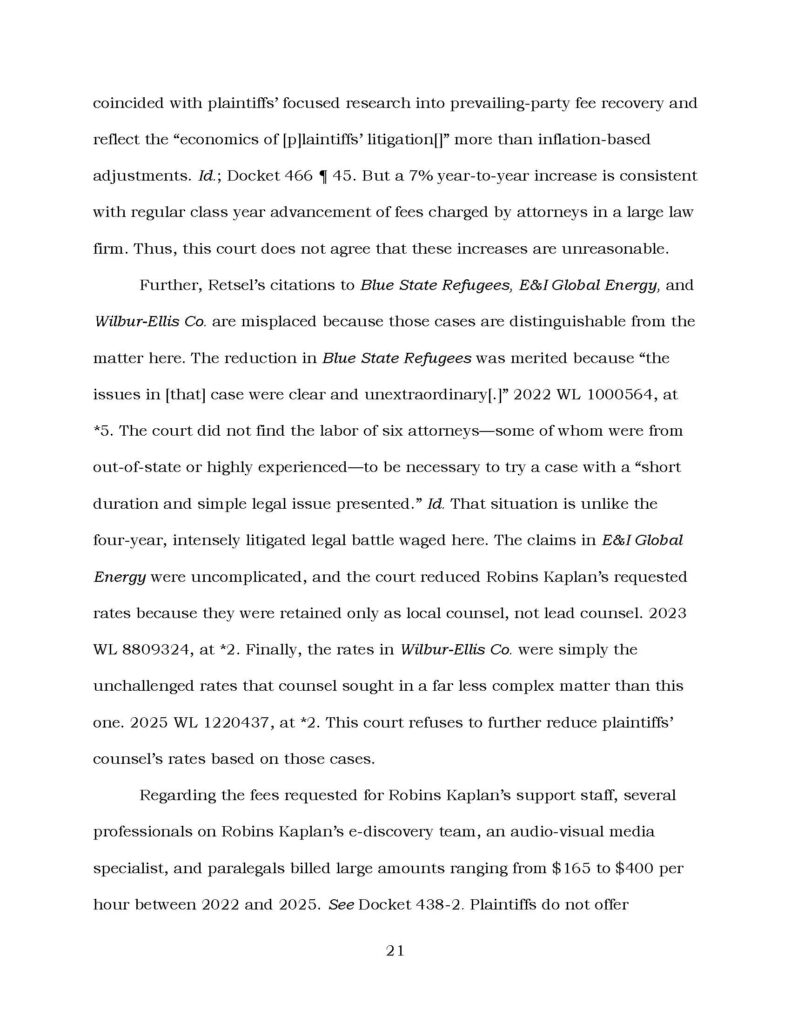
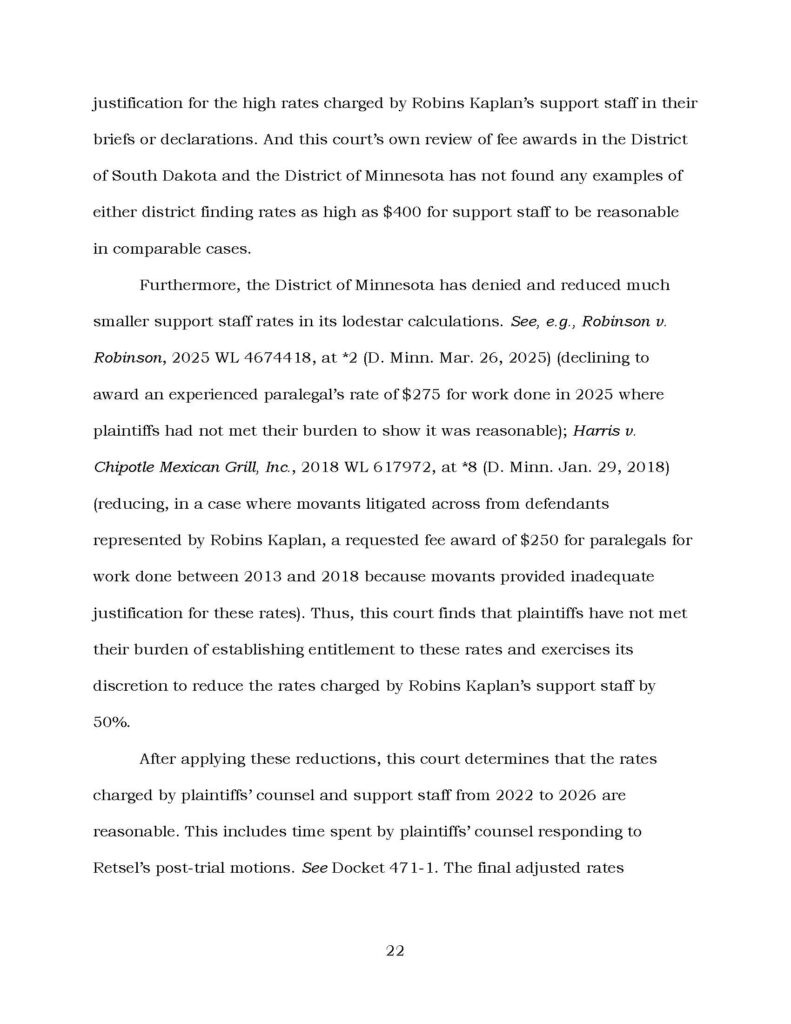
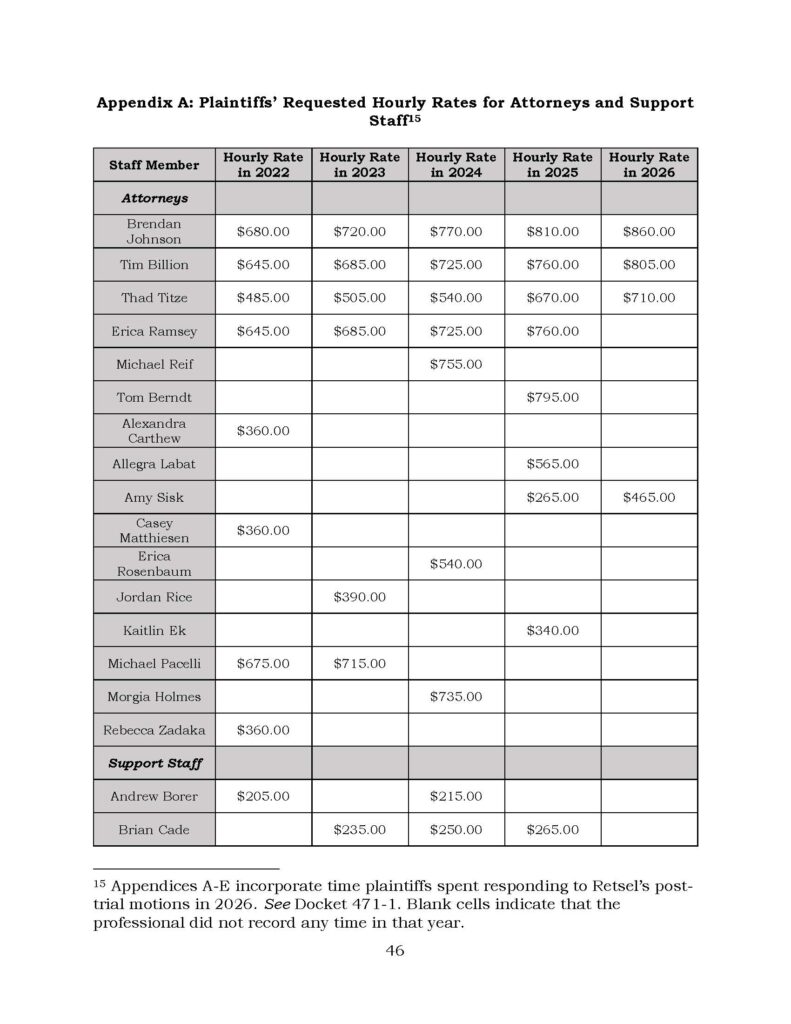
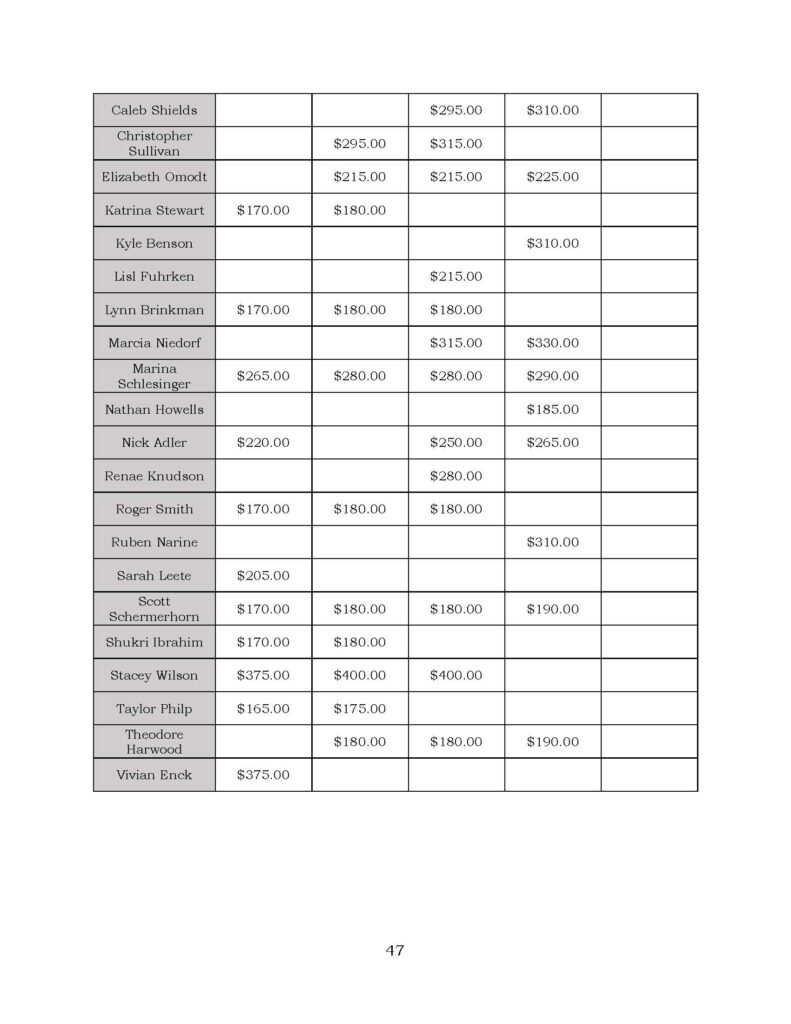
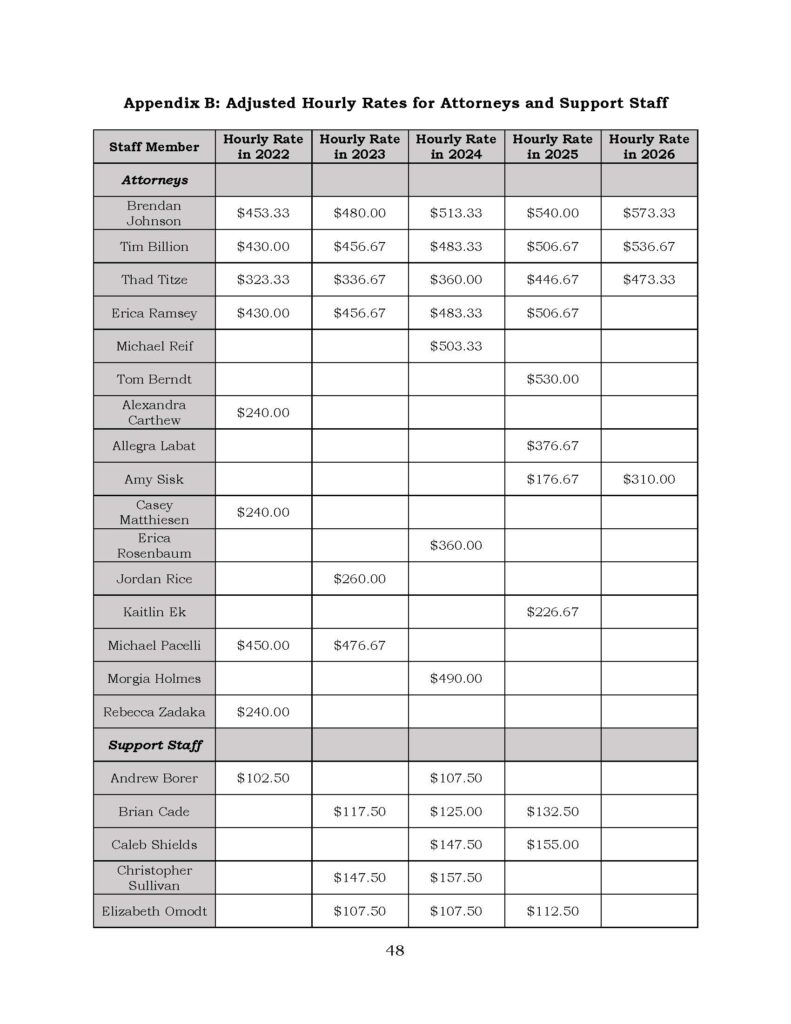
- Higher hourly rates were reduced by the district judge to make them commensurate with South Dakota venue rates, although 7% annual increases were found reasonable.
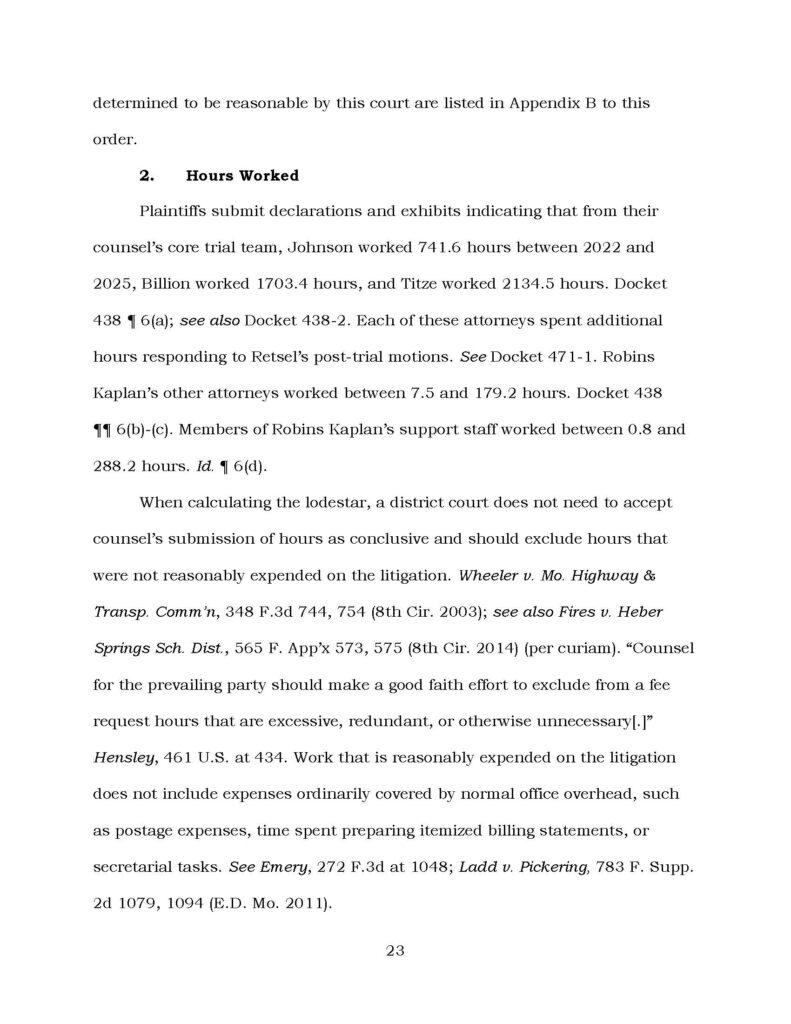
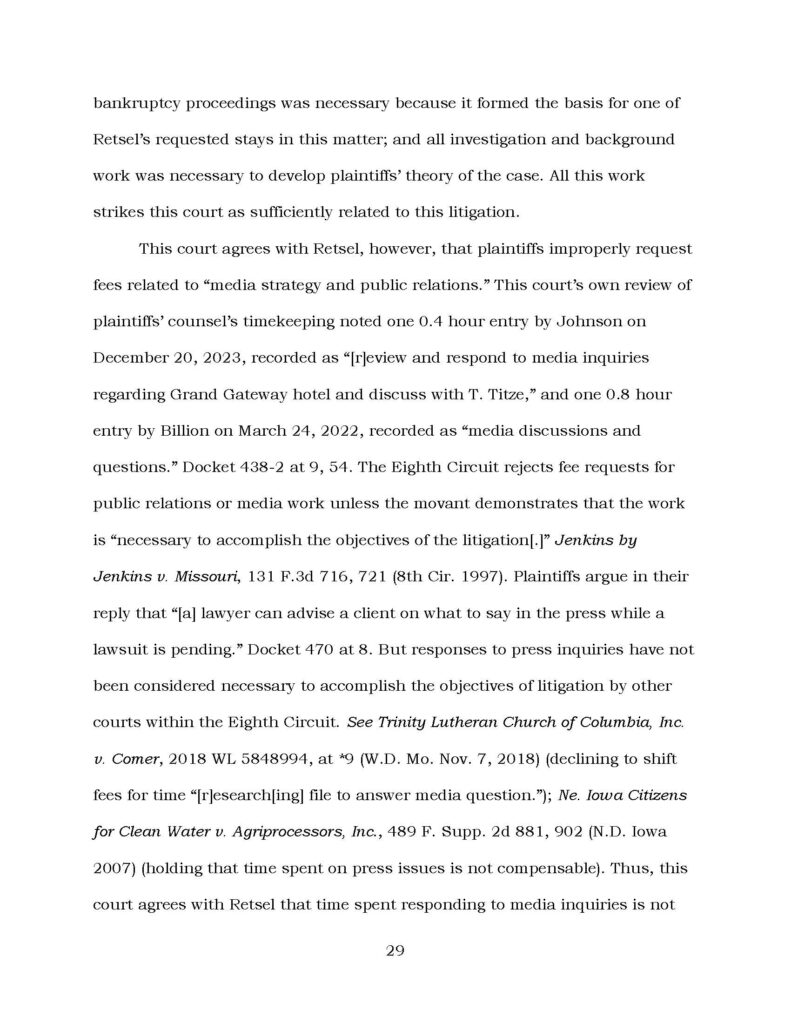
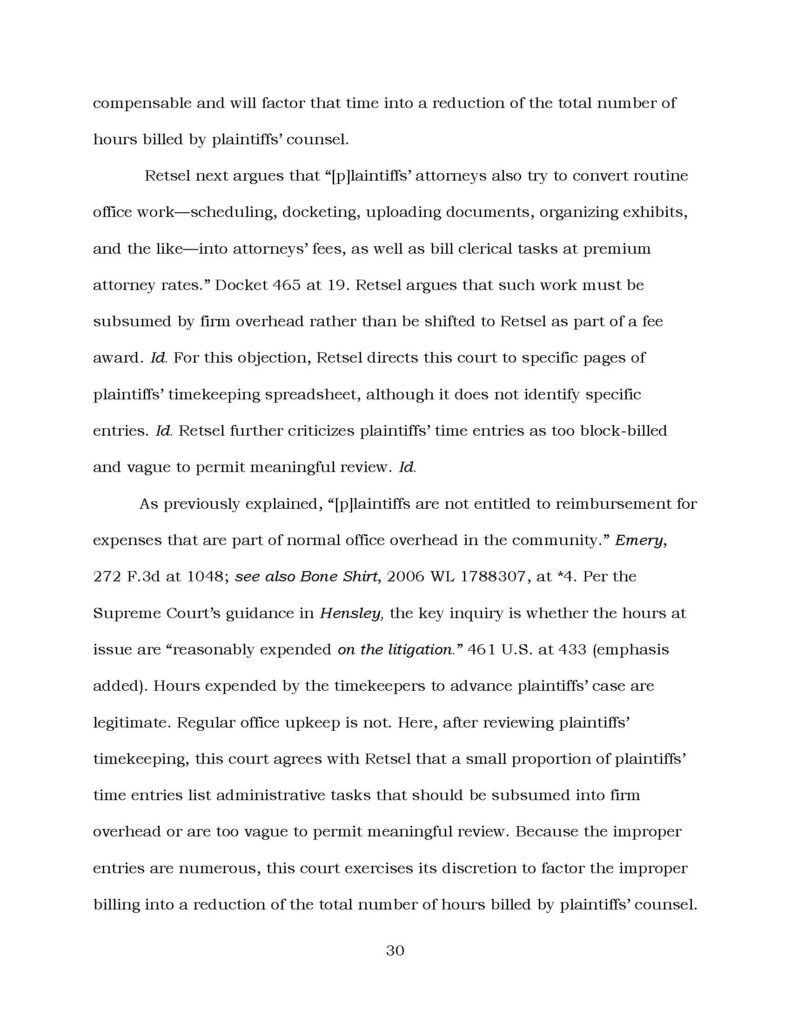
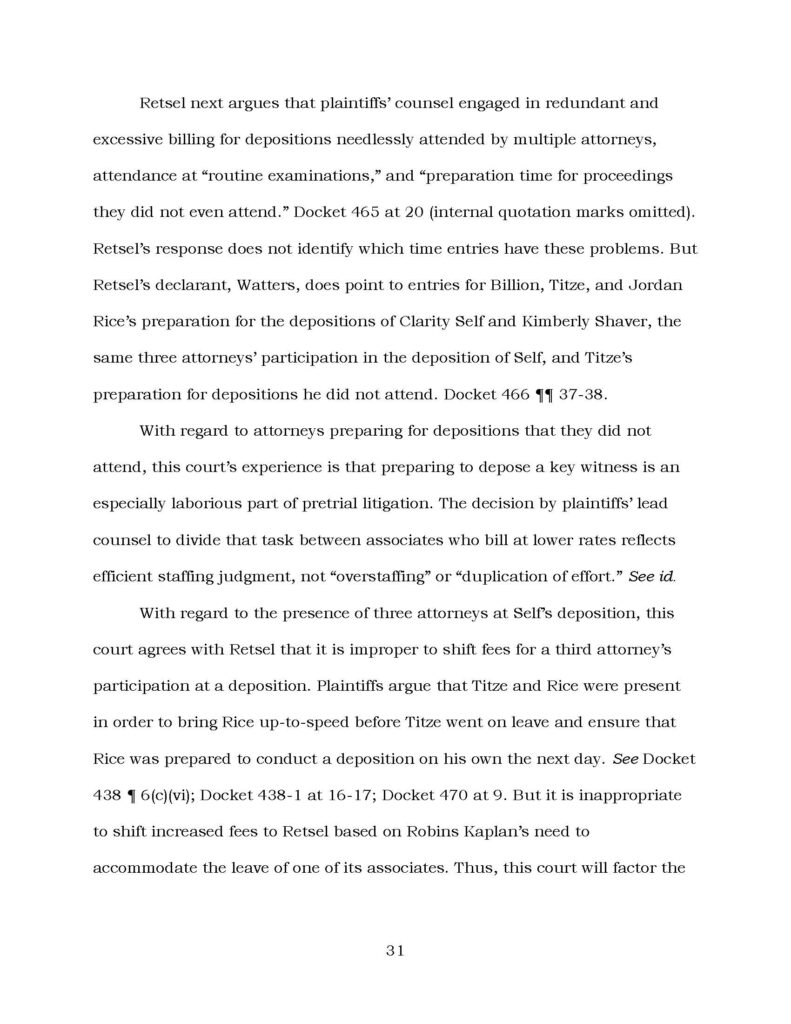
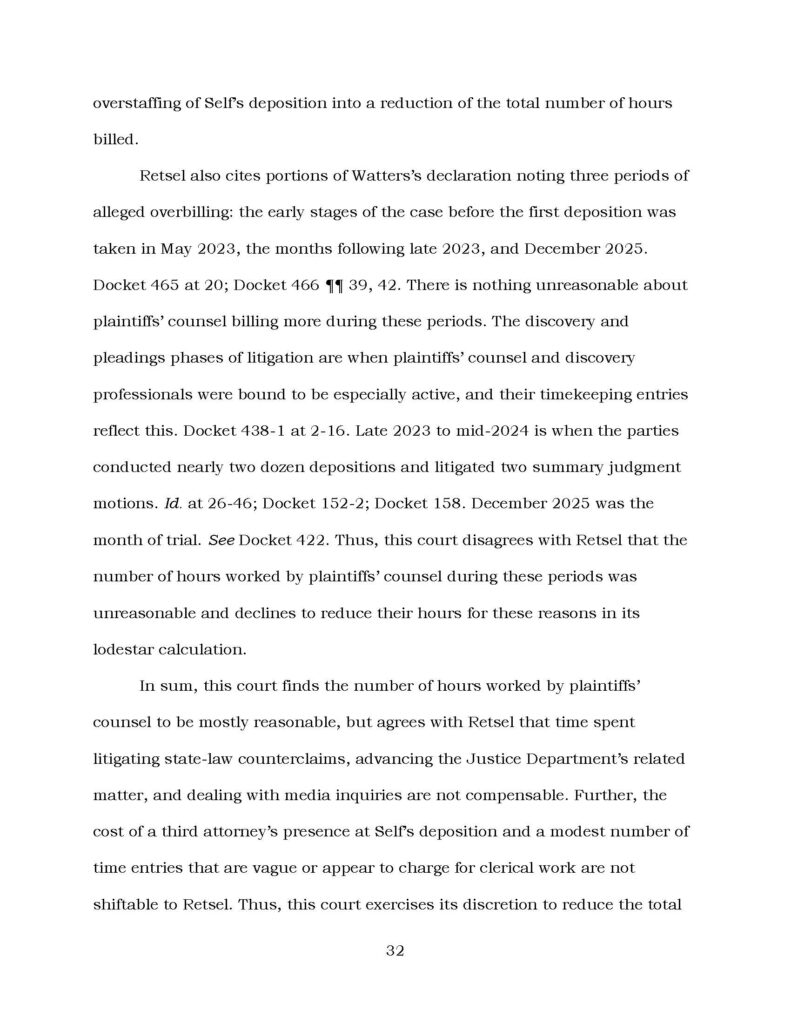
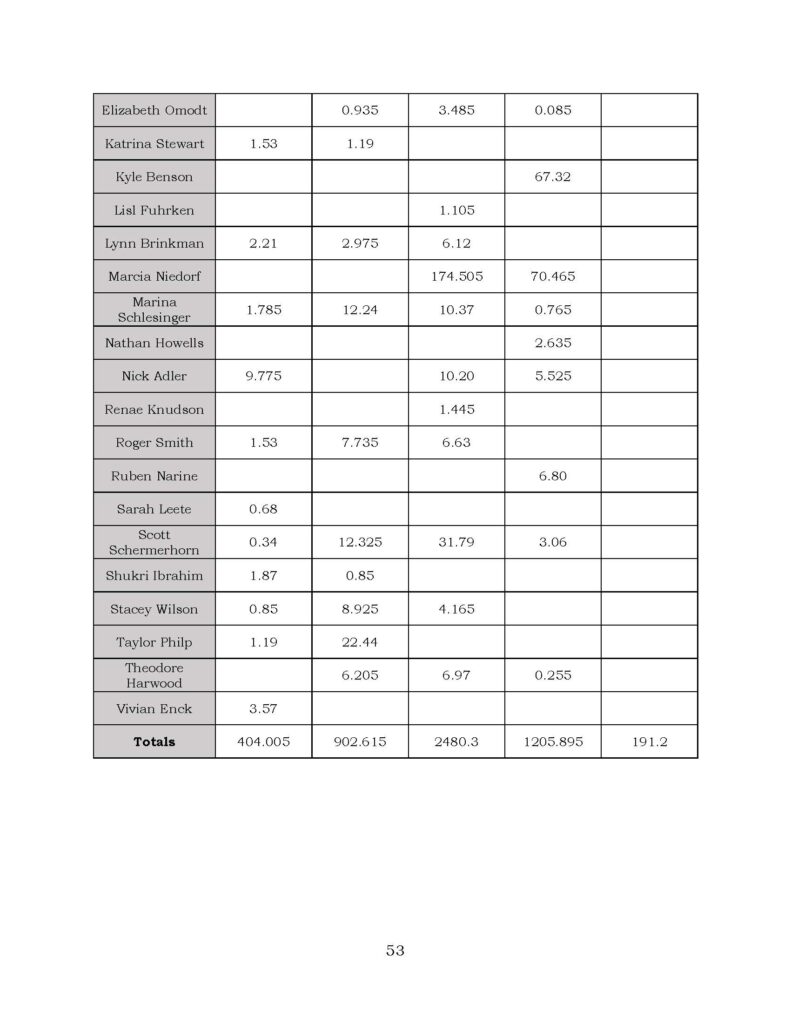
- Overall, plaintiffs’ counsel’s hours work was reasonable, although there were reductions for state-law counterclaim work, media inquiry work, some collateral case work, administrative overhead items, and attendance by a third attorney at some depositions—with a 15% across-the-board reduction found appropriate.
- Out-of-pocket expenses were reasonable, except for a reduction for electronic legal research costs which should have been accounted for as an overhead item.
- Sales taxes imposed on plaintiffs’ counsel’s services rendered were recoverable under Eight Circuit precedent.